The automotive industry is undergoing a significant transformation, driven in large part by advancements in technology and connectivity. One of the most profound changes in recent years has been the introduction of over-the-air (OTA) software updates, a development with far-reaching implications for how vehicles are maintained. Traditionally, car maintenance relied heavily on physical interventions, requiring owners to visit dealerships or service centers for a wide range of updates and repairs. However, OTA updates have introduced a new paradigm in automotive maintenance, one that offers convenience, efficiency, and new possibilities for both manufacturers and vehicle owners.
Over-the-air software updates allow manufacturers to deliver updates and improvements directly to a vehicle’s onboard software systems via a wireless connection. This process is similar in concept to how smartphones and computers receive regular updates to their operating systems. The ability to modify software remotely means that car manufacturers can enhance a vehicle’s existing functionalities, fix bugs, and even introduce entirely new features without the need for consumers to visit a service center. The shift from manual, hands-on servicing to remote digital updates represents a major shift in the relationship between automakers and vehicle owners.
There are numerous advantages associated with OTA updates. First and foremost is the convenience they afford to vehicle owners. Rather than scheduling an appointment at a dealership—often associated with long wait times and logistical challenges—drivers can receive updates instantly and seamlessly. This not only saves time but also decreases the inconvenience and disruption that vehicle maintenance can sometimes cause. For instances where a physical intervention is not required, OTA updates offer a level of ease and accessibility that is unparalleled.
Another critical benefit of OTA updates is the potential for rapid implementation of fixes and improvements. When software bugs or vulnerabilities are identified, manufacturers can address these issues more swiftly, deploying updates to ensure that all affected vehicles meet the required safety and performance standards. In traditional maintenance models, these adjustments might take months to roll out as customers slowly trickle in for scheduled service visits. With OTA technology, even acute security vulnerabilities can be rectified promptly, enhancing the overall safety of the vehicle.
Cost is another advantage connected to this technological evolution. Typically, a visit to a service dealer for software upgrades or fixes can incur financial costs, both for the dealership and the customer. By providing over-the-air updates, manufacturers can substantially reduce the operational costs associated with warranty claims and recall processes, a saving which can be passed on to vehicle owners. Additionally, owners themselves benefit from potential decreased fuel and travel costs associated with going to a service center, further adding to the economic appeal of OTA systems.
Now, these over-the-air technologies are widening the scope of what constitutes vehicle maintenance. Beyond fixing existing features or optimizing performance, OTA updates open the door to the continuous improvement of various vehicle systems. For instance, performance enhancements can be rolled out to improve efficiency or to introduce eco-friendly modes, thus supporting sustainable driving practices. Infotainment systems in vehicles are another area that greatly benefits from OTA updates, as new functionalities and updated applications can be introduced periodically to keep the technology current.
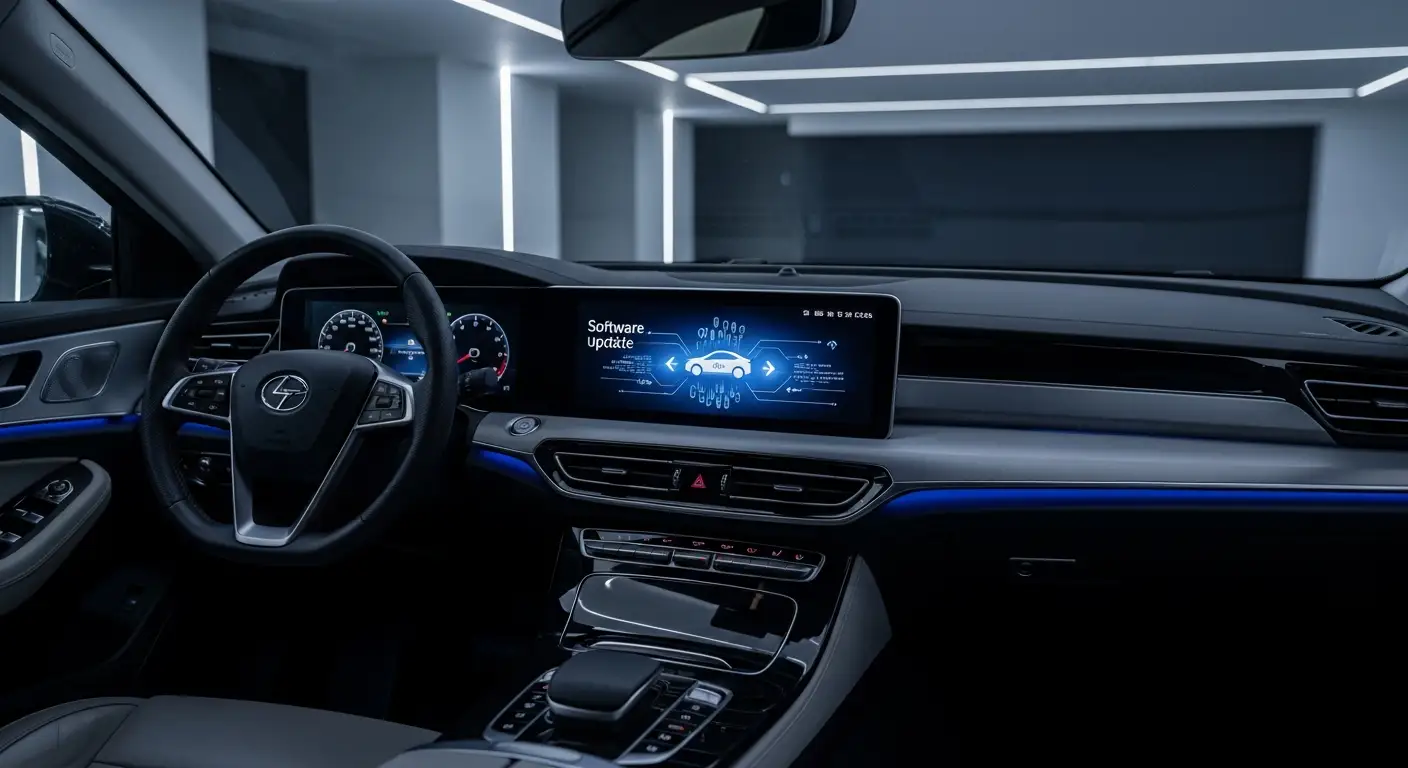
OTA updates also extend to navigational systems, ensuring that they remain accurate with up-to-date mapping information and real-time traffic data. This enhances the driving experience, making it both more accurate and safer. By keeping these systems current, manufacturers provide users with the betterment of technology without the purchase of a new vehicle. These continuous advancements contribute to customer satisfaction and bolster confidence in the adaptability and longevity of their vehicles.
Despite the numerous advantages of OTA technology, it does introduce several challenges and considerations that manufacturers and consumers must be cognizant of. The increasing reliance on digital systems heightens the need for stringent cybersecurity measures. As vehicles become more connected, they may become targets for hackers, potentially compromising both vehicle operation and user privacy. Manufacturers must invest in robust security protocols to protect vehicles against external threats and unauthorized access.
Moreover, the concept of OTA updates necessitates a reliable and consistent internet connection, which may not always be available in remote areas. This requirement can pose limitations for some users, especially those in regions with poor network coverage. Manufacturers must find ways to ensure that all users, regardless of location, can benefit from these advanced maintenance solutions.
Another consideration is the potential issue of user choice and control. As with any automated system, there arises the question of consent and the degree of control a user has over the updates implemented in their vehicle. To address this, automotive companies should strive for transparency, clearly communicating with users about the nature and scope of each update, allowing them the option to postpone or decline a non-essential update. User autonomy is an important factor, which must not be overlooked as this technology garners widespread adoption.
In summary, over-the-air software updates are reshaping the landscape of automotive maintenance, introducing opportunities for manufacturers to enhance customer satisfaction through improved convenience, efficiency, cost reduction, and continuous feature enhancements. As adoption grows, the automotive industry, regulators, and consumers will need to consider both the forward-reaching potential and the accompanying challenges. As the tech continues to evolve, its integration into vehicle maintenance and enhancement will likely see increasing layers of personalization and customization, catering to the varied desires and needs of different drivers and owners. The potential we see today possibly only scratches the surface of what over-the-air updates can achieve in the coming years, as the evolution of digital and automotive technologies continue to converge.