As summer temperatures soar, ensuring your car is well-prepared to handle the heat becomes increasingly vital. The scorching sun and high ambient temperatures create a challenging environment for your vehicle's engine, making it crucial to maintain proper fluid levels. This article will guide you through essential tips to keep your car's fluid systems in top condition during extreme heat, with a focus on the roles of coolant, engine oil, and brake fluid. By understanding how these fluids work and how to check them safely, you can help prevent overheating and maintain optimal vehicle performance.
During the summer, your car is under extra stress from the heat, which can lead to increased risk of overheating. One of the most critical components in combating heat is your car's coolant system. The coolant, a mixture of water and antifreeze, is responsible for transferring heat away from the engine. When the coolant level is insufficient, the engine is more likely to overheat. Regularly checking and maintaining the correct coolant level is essential for preventing overheating and ensuring your car runs smoothly.
One simple way to keep track of your coolant level is to observe the coolant reservoir, typically a translucent tank located near the radiator. A maximum and minimum mark on the reservoir helps indicate the correct range of fluid that should be present. You should ensure the engine is completely cooled before attempting to open the radiator cap to avoid injuries from steam or boiling coolant.
In addition to the coolant, engine oil plays a crucial role in managing heat. Engine oil not only lubricates moving parts to prevent wear and tear but also helps dissipate heat. High temperatures can cause engine oil to thin out, reducing its effectiveness. Therefore, it's critical to regularly check the engine oil level and top it up as needed.
To check engine oil, locate the dipstick under the hood. You'll want to park the car on a level surface and let the engine cool slightly before checking. Pull the dipstick out, wipe it clean, reinsert it fully, and then pull it out again to read the oil level. The dipstick usually has two marks indicating "full" and "low." Ensure the oil level is between these marks, and if it’s low, add the recommended oil type slowly, checking the level frequently to avoid overfilling.
In addition to the engine oil, the brake fluid is another critical fluid that needs monitoring, especially during extreme heat. Brake fluid is hygroscopic, meaning it absorbs moisture from the air. Moisture-laden brake fluid can increase the risk of brake failure as it reduces the fluid's boiling point, making it less effective at high temperatures.
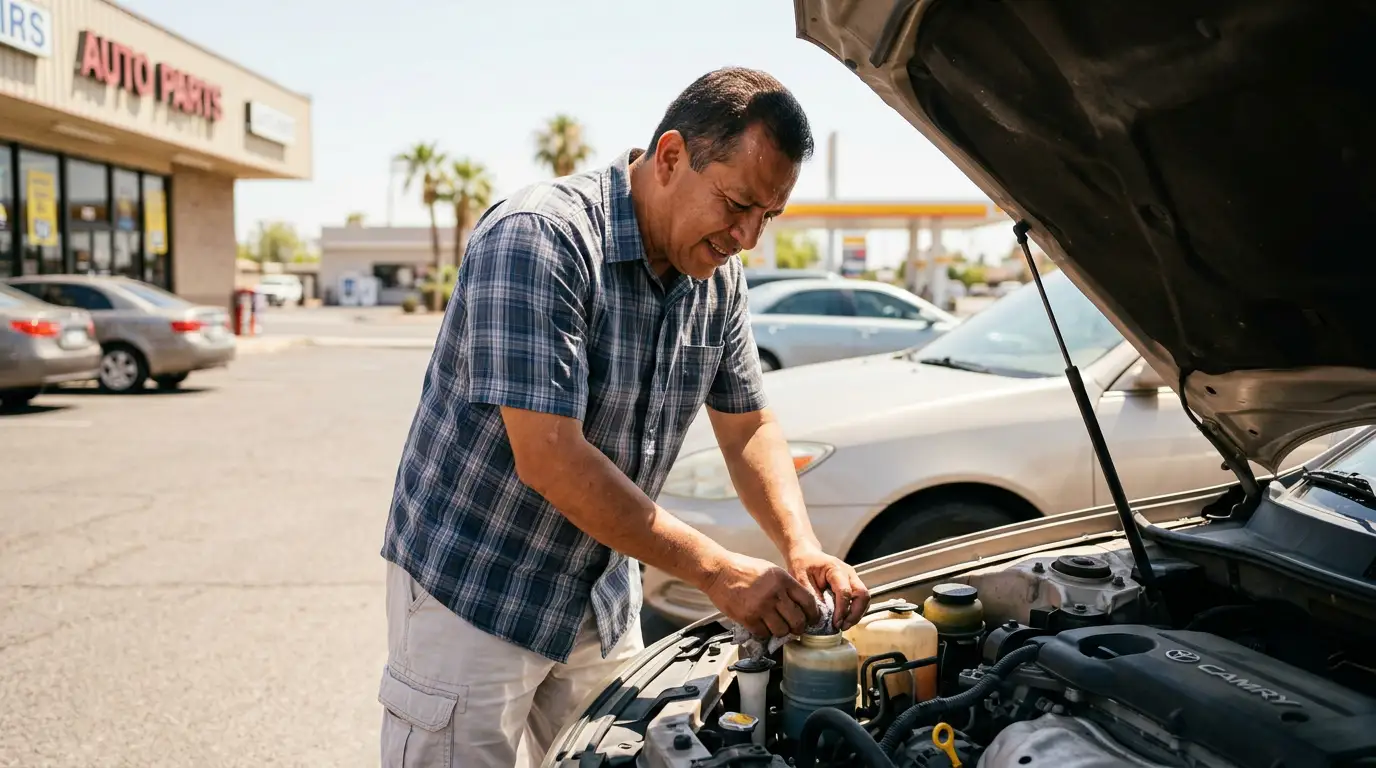
To check your brake fluid, locate the brake fluid reservoir on the master cylinder. This reservoir is typically found at the back of the engine bay and is often marked for easy identification. The reservoir usually has minimum and maximum level indicators, and the fluid inside should be clear with a consistent appearance. If you find the fluid cloudy or below the "minimum" mark, it might be time for a professional to examine and possibly replace the brake fluid.
Safety is paramount when checking fluid levels during hot weather. Remember that touching a hot engine or opening the radiator cap when the engine is hot can be dangerous. Ideally, check and top off all essential fluids in the early morning or evening when temperatures are lower, and the engine has cooled off.
In addition to regularly checking fluid levels, consider carrying a small emergency kit in your vehicle's trunk. This kit could include a bottle of coolant, engine oil, and distilled water. It's not uncommon for fluid levels to fluctuate, especially during long road trips or traffic jams where the engine runs for extended periods. Being prepared can save you from unnecessary delays and keep your journey smooth during hot weather.
Furthermore, an annual or bi-annual vehicle check-up through a professional mechanic can provide peace of mind. Professionals can not only check fluid levels but also inspect hoses, belts, and other components for signs of wear that might be exacerbated by extreme heat. Taking this proactive approach ensures that your car is in optimal working condition before the summer heat hits.
Finally, consider investing in a sunshade for your car. When parked, using a windshield sunshade can reduce the overall temperature inside the car, lessening the strain on your car's cooling system once you start driving.
Maintaining your car’s fluid levels is not just about topping them off when low; it’s about understanding the role each fluid plays in your car's operation and anticipating the stress it might face in extreme heat. With regular checks and proactive maintenance, you can keep your vehicle well-hydrated, reduce the risk of damage from heat, and ensure smooth and safe travels all summer long. By taking these steps, you will not only enhance the performance and longevity of your vehicle but also contribute to your peace of mind while navigating through hot summer days.