When it comes to acquiring a new vehicle, the decision often boils down to two primary options: leasing or buying. Each approach carries its own set of considerations, and understanding these can help you make an informed decision that aligns with your driving habits, financial situation, and personal preferences. This article will explore the core aspects of both leasing and buying to help you find the right path for your circumstances.
Leasing a car involves paying a monthly fee to use the vehicle for a predetermined period, typically two to three years. At the end of the lease term, the car is returned to the dealership, and you may choose to lease another vehicle or buy one. One of the standout features of leasing is its impact on monthly cash flow.
Leases generally offer lower monthly payments compared to loan payments when purchasing a car. This is because you are essentially paying for the vehicle's depreciation over the lease term, rather than its full value. This aspect can make leasing attractive if you desire a lower monthly financial obligation or prefer driving newer models with the latest features.
However, leasing does come with certain restrictions and terms that must be carefully considered. One such restriction is mileage limits. Leases typically include a yearly mileage allowance, often ranging from 10,000 to 15,000 miles. If you happen to exceed this limit, you may face additional per-mile charges, which can add up if you have high mileage needs.
Conversely, buying a car, using a loan or cash, results in ownership once the payment or loan is completed. This ownership can offer long-term advantages, particularly for those who prefer to drive a vehicle for many years. Buying a car can be more economical over time since you avoid the constant cycle of monthly payments associated with leasing. Once the loan is paid off, you are free of monthly financial obligations, apart from maintenance and repairs.
Owning a car also provides greater flexibility regarding mileage. You can drive as far as you like without concerns about overage charges, making it an attractive option for those with long commutes or frequent road trips. Additionally, ownership allows for customization and modifications to the vehicle, which are typically not permitted under a lease agreement.
While buying might seem less complicated due to the lack of mileage limits, it often involves a higher initial cost compared to leasing. Down payments, taxes, and loan interest can contribute to a higher upfront financial burden. If you choose a loan, interest rates should be compared carefully, as they can significantly impact the total cost of ownership.
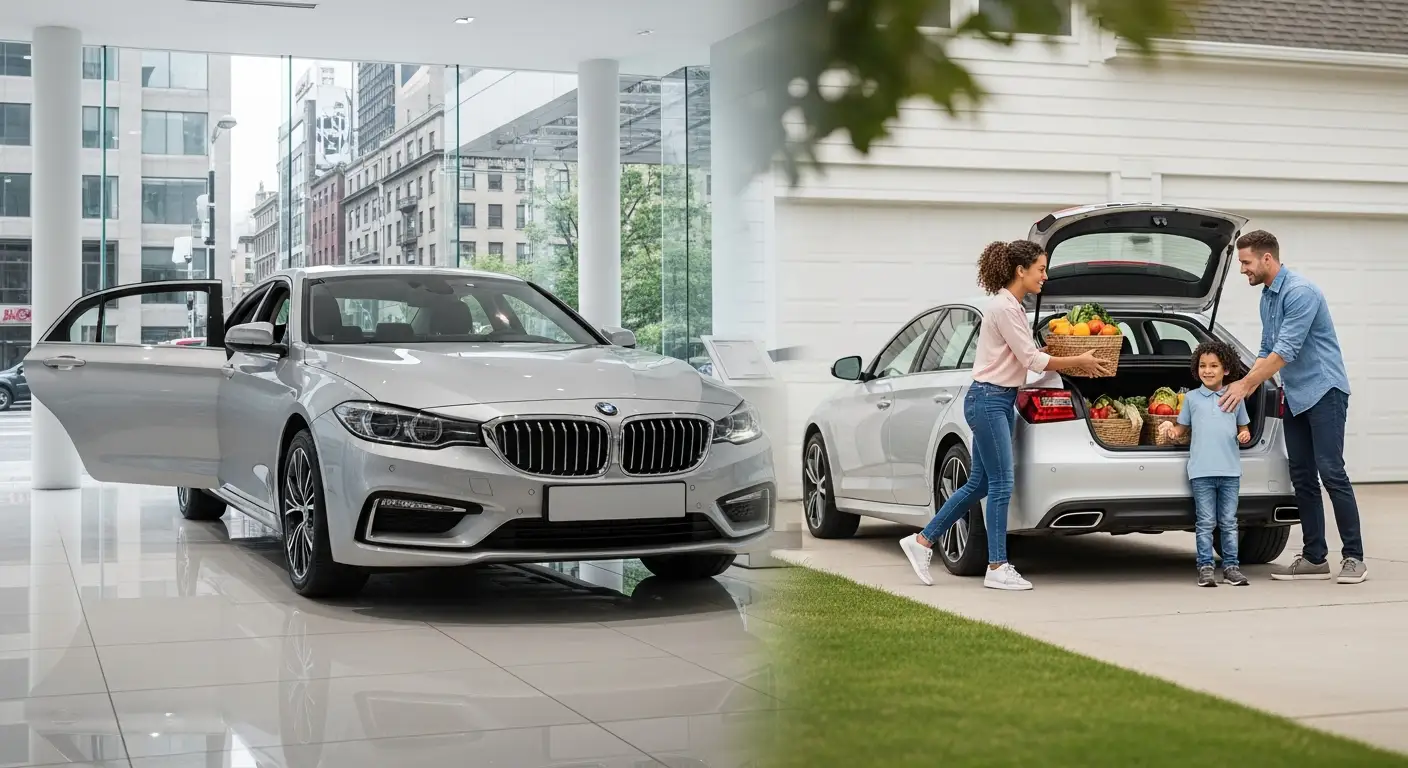
Leasing often appeals to drivers who appreciate the idea of enjoying a new car every few years. Since lease terms generally align with the duration of a vehicle's warranty, maintenance costs are often minimized or covered. This can be a significant benefit for people who prefer to avoid unexpected repair expenses.
On the other hand, buying a vehicle outright or over an extended period gives you an asset that can retain monetary value. This value can be realized in the form of a trade-in or resale, making it potentially advantageous financially in the long term. However, it's crucial to bear in mind that a car's value depreciates over time.
Evaluating your personal habits is crucial in making the leasing vs. buying decision. Consider how often you drive, your typical mileage, your budget, and whether you want to own a car long-term or change it more frequently. Each person's situation is unique, and what works for others may not align with your needs.
When considering cash flow, leasing can provide predictable monthly expenses but at the cost of not building equity in the vehicle. Buying, while involving higher monthly payments, eventually leads to complete ownership, which eliminates payments and allows for more budget flexibility.
Mileage flexibility is another critical factor. If your driving habits involve higher annual mileage, buying might be the advantageous choice to avoid extra charges. Leasing might suit those with lower mileage needs, as long as they remain within the contract's specified limits.
In terms of long-term vehicle ownership, purchasing a car typically makes more sense for those planning to keep their vehicles for many years. Leasing, with its regular cycle of obtaining new models, appeals to drivers who value the experience of having access to the latest technology and features.
Ultimately, there is no definitive answer to whether leasing or buying is better; it largely depends on individual circumstances and preferences. Approaching the decision with these critical factors in mind, along with thorough research and possibly consultation with a financial advisor, can lead you towards a choice that enhances your driving experience while aligning with your financial goals. Each path offers unique advantages, and understanding these can aid in making a decision that best fits your driving lifestyle.