Tires are one of the most crucial components of any vehicle. They are the only contact between the car and the road, and thus, their condition is directly tied to safety, performance, and fuel efficiency. Despite their importance, tires are often neglected when it comes to routine maintenance. Understanding tire pressure, tread depth, and rotation can help extend the life of your tires, ensuring that your vehicle performs at its best and remains safe on the road.
Tire pressure is the measure of how much air is in the tire. Keeping tires inflated to the manufacturer's recommended levels is crucial for several reasons. Properly inflated tires ensure better fuel efficiency, as low tire pressure increases the rolling resistance, requiring the engine to work harder. Additionally, correct tire pressure optimizes tire performance, improves handling and braking, and provides a smoother ride. Over-inflation and under-inflation can both lead to uneven tread wear and potentially dangerous situations on the road.
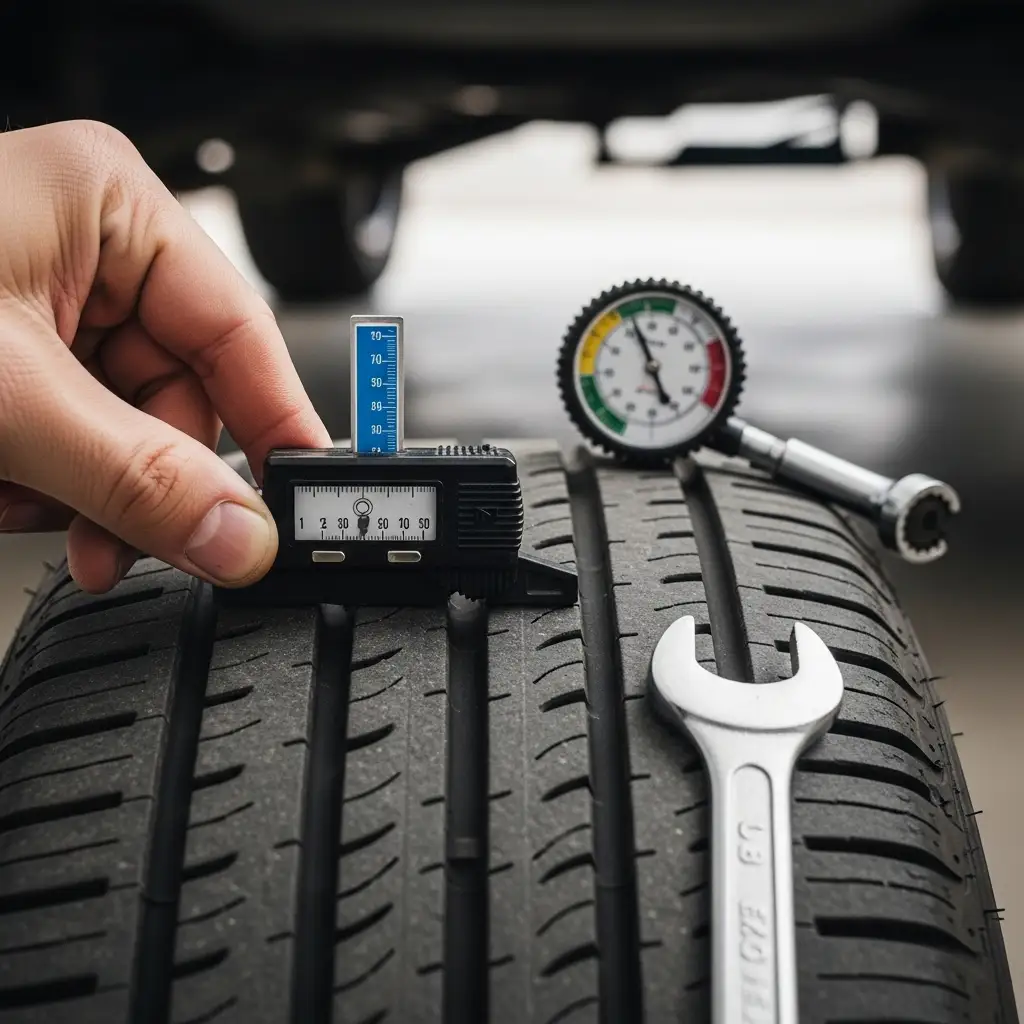
To check the tire pressure, you'll need a reliable tire pressure gauge. Gauges can be purchased at most auto parts stores or gas stations. It's a simple process: remove the valve cap from the tire, press the gauge onto the valve stem, and read the pressure displayed. It's essential to measure tire pressure when the tires are cold, as driving heats up the tires and may give an inaccurate reading. Compare the reading with the manufacturer's recommended tire pressure, usually found in the vehicle manual or inside the driver's door jamb.
Regularly maintaining the proper tire pressure is an essential step in tire care, but it is only part of the equation. Tread depth is equally important in determining a tire's roadworthiness. The tread gives the tire the necessary traction to grip the road, especially in adverse weather conditions. Over time, tread wears down and becomes less effective at channeling water away, which can lead to hydroplaning in wet conditions.
To check the tread depth, a simple and effective method is the penny test. Insert a penny into the tread grooves with Lincoln's head upside down. If you can see all of Lincoln’s head, the tread is worn down and the tire may need replacing. Many tires also come with tread wear indicators, which are raised sections in the tread grooves that become flush with the tire surface when the tread is too thin. If the tread is worn down to these indicators, it's time to start considering new tires.
Finally, tire rotation is a critical component in extending tire life. Tire rotation involves moving the tires from one position on the car to another, such as from front to back or left to right. This practice helps ensure even wear, as different positions on the vehicle can cause different areas of the tire to wear out faster. For example, front tires may wear faster due to steering and weight distribution.
The recommended tire rotation frequency is generally every 5,000 to 8,000 miles, or as advised in your vehicle’s owner's manual. There are various rotation patterns, such as the "forward cross" or "rearward cross," but the pattern can vary depending on whether your vehicle is front-wheel, rear-wheel, or all-wheel drive. Consulting a professional mechanic or referring to your vehicle's manual can provide guidance on the best rotation pattern for your tires.
Ignoring tire maintenance not only shortens the life of your tires but can also lead to other issues, such as misalignment, which further exacerbates uneven tire wear. Misaligned wheels can cause your car to pull to one side, leading to unsafe driving conditions and making it more challenging to maintain control of the vehicle. Thus, when rotating your tires, it’s also beneficial to have the alignment checked.
Incorporating these maintenance practices into your regular vehicle care routine may seem like a time-consuming task, but the benefits far outweigh the inconvenience. Proper tire maintenance can lead to significant cost savings in the long term by enhancing tire longevity, improving fuel efficiency, and reducing the risk of accidents due to tire-related issues.
Educating yourself about tire maintenance is the first step towards a safer and more economical driving experience. By maintaining optimal tire pressure, checking tread depth regularly, and ensuring consistent tire rotation, you can enhance your vehicle's performance and safety. Investing time and effort in learning and applying these tire care practices can make a substantial difference and ensure your tires provide safe and reliable service for as long as possible.