A vehicle safety recall is an important aspect of automotive safety and consumer protection. It occurs when a manufacturer recognizes that a vehicle or a specific component of the vehicle does not meet safety standards or poses a significant risk to drivers, passengers, or others on the road. Understanding the recall process is crucial for car owners to ensure that their vehicles are safe and functioning correctly. This article outlines the steps involved in a vehicle safety recall, providing a clear and comprehensive guide for car owners.
The first step in the recall process is the identification of a potential safety defect. This can come from several sources, including reports from vehicle owners, complaints to regulatory bodies, or the manufacturer’s own testing and review. When a defect is suspected, it is typically assessed by the manufacturer's quality control team and reviewed by regulatory agencies such as the National Highway Traffic Safety Administration (NHTSA) in the United States.
Once a defect is identified, the manufacturer will conduct a detailed investigation. This involves examining the vehicle components in question, reviewing performance data from affected and unaffected vehicles, and gathering feedback from various stakeholders, including mechanics, engineers, and safety experts. This investigation helps determine the scope of the issue and whether a recall is necessary.
If the investigation confirms a safety defect that warrants a recall, the manufacturer must notify the appropriate regulatory agency, such as the NHTSA, to initiate the formal recall process. This includes providing detailed information about the defect, the number of potentially affected vehicles, and any related incidents or accidents. The regulatory body then reviews this information to ensure that the manufacturer is meeting safety and regulatory standards.
Once the recall is officially announced, manufacturers are required to notify car owners about the recall. Communication is typically done through direct mail, email, or phone calls, using the contact information associated with the vehicle's registration. This notification will include important details such as the nature of the safety issue, which vehicles are affected, instructions on what actions owners should take, and information on how the manufacturer plans to remedy the problem.
Manufacturers are generally required to resolve defects at no cost to the car owner. The notification will often provide instructions for scheduling a repair appointment with an authorized dealership or service center. If the defect requires a part replacement or software update, the manufacturer will supply the necessary resources to the service centers to conduct repairs. The notification should also indicate the estimated time a repair might take.
At the dealership or authorized service center, technicians will inspect the vehicle to confirm the presence of the defect and then perform the required repairs. Car owners should communicate directly with the service center to understand the procedure involved, the timeframe for repairs, and any special considerations they should be aware of. Parts for the repair may not always be immediately available, especially if the recall affects a large number of vehicles, but car owners should receive updates about availability.
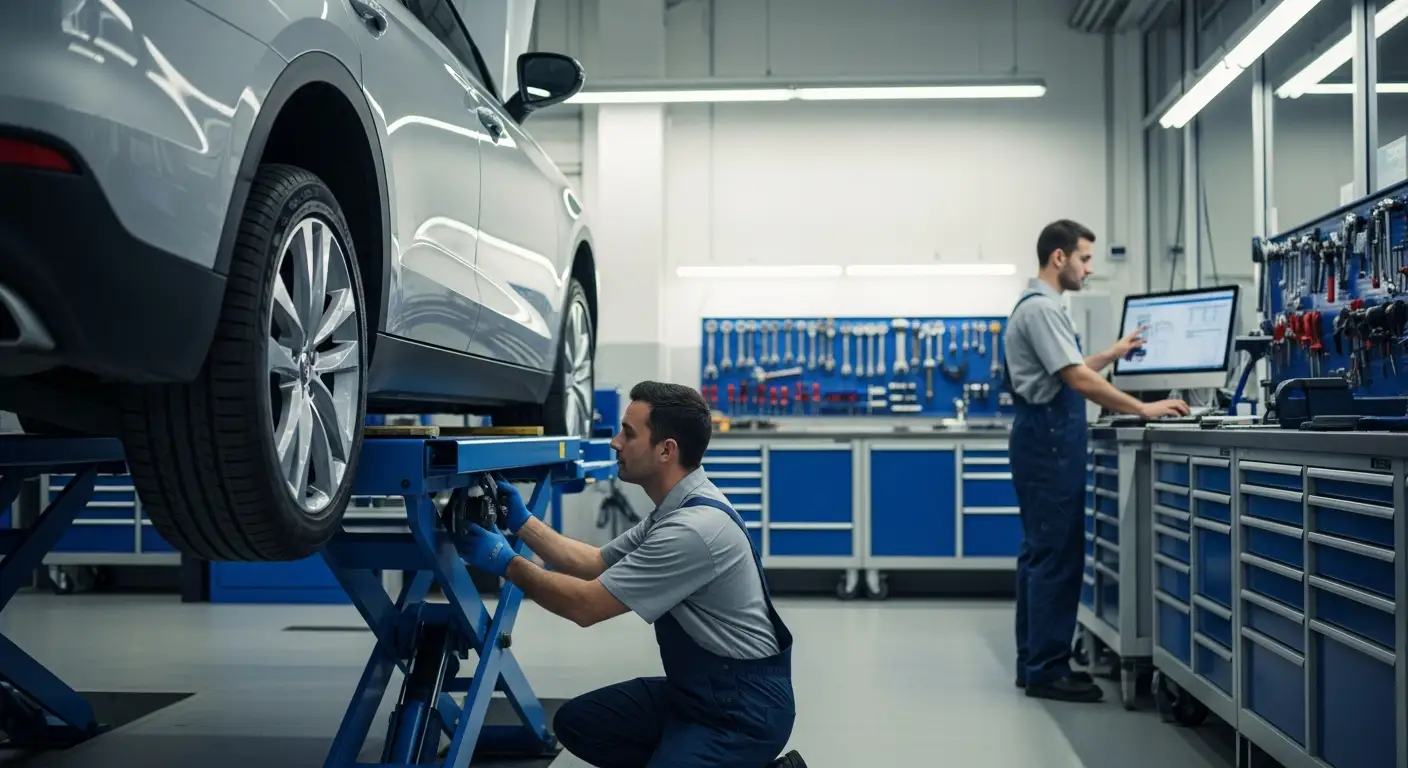
After the repair is completed, the dealership or service center will document the repair and update the manufacturer and regulatory bodies accordingly. This documentation includes details on each repair's scope and ensures that the car owner has a record of the work done. Maintaining these records could be useful in case of any future concerns about the vehicle.
Car owners should keep an organized file of all recall letters, repair records, and any communications received regarding the recall. This is important for maintaining an accurate vehicle history and can be helpful in resale situations or in case of future concerns. Additionally, some recalls involve multiple stages that might require follow-ups or further inspection, so keeping track of information is essential.
In some situations, a recall might not be economically feasible for the manufacturer to repair, or the remedy may not be immediately available. In these cases, manufacturers may offer alternative transportation solutions, such as rental cars or loaner vehicles, at no cost to the vehicle owner until the repair can be completed.
For ongoing recalls or situations where car owners desire additional information, there are several resources available. Car owners can visit official websites, such as the NHTSA or corresponding regional authorities, and input their Vehicle Identification Number (VIN) to check for any active recalls. These platforms can provide additional insights into the recall status and further details on what owners can expect.
Recalls can sometimes create uncertainty for car owners, particularly if they involve significant safety concerns. However, it's important to remember that the recall process is designed to maintain safety and ensure that vehicles meet rigorous standards. By promptly responding to recall notifications and collaborating with manufacturers and service centers, car owners can contribute to the safety and longevity of their vehicles.
Vehicle owners should understand their rights and responsibilities concerning recalls. In many regions, regulatory requirements ensure that manufacturers address safety defects comprehensively and transparently. Being proactive about vehicle maintenance and attentive to communications from manufacturers can significantly mitigate the risks associated with vehicle defects.
Overall, safety recalls are an integral component of vehicle ownership, aimed at ensuring the safety of drivers, passengers, and other road users. By understanding and participating in the recall process, car owners can help maintain high safety standards and contribute to the automotive industry's ongoing improvements in vehicle safety.