Vehicle-to-Grid (V2G) technology is an innovative concept that explores the potential of electric vehicles (EVs) to provide more than just transportation. It envisions a future where these vehicles contribute to the energy grid, potentially amplifying energy efficiency and opening new avenues for electricity utilization. This article seeks to explain the principles behind V2G technology, its potential benefits, and the steps required for its implementation.
At its core, Vehicle-to-Grid technology involves a bidirectional flow of electricity between an electric vehicle and the power grid. Traditionally, energy flows in one direction—from the grid to the vehicle. V2G technology enables energy to flow in both directions, allowing EVs to store excess energy during periods of low demand and return it to the grid during peak hours. This concept hinges on the integration of smart grid technology, which enhances grid communication and management.
In practical terms, using V2G technology, EVs could act as mobile energy storage units. When connected to a V2G network, they can dispatch stored energy back to the grid, especially during times when energy is most needed. For example, during high-demand periods, such as hot summer afternoons when air conditioning is in high demand, EVs could help mitigate energy loads and potentially reduce the risk of outages.
One of the most significant advantages of V2G technology is its potential to stabilize the energy grid. As more renewable energy sources like wind and solar are integrated into the energy mix, their intermittent nature poses a challenge for grid stability. The ability of EVs to absorb excess energy when renewable output is high and supply it back when needed can help balance this variability. This added flexibility could smooth the transition towards more sustainable and decentralized energy systems.
Furthermore, V2G technology can provide economic benefits for both consumers and utility companies. Consumers can be financially rewarded for participating in V2G programs, earning credits or payments for the energy they supply to the grid. Utilities benefit by having a decentralized energy storage system, reducing the need for expensive infrastructure investments like peaker plants, which are used to meet short-term high electricity demand.
The implementation of V2G technology involves advancements in several key areas. Firstly, it requires the development of compatible vehicles equipped with the necessary hardware and software to manage bidirectional energy flow. The automotive industry has begun integrating these systems in some of their models, but widespread adoption is still in the early stages.
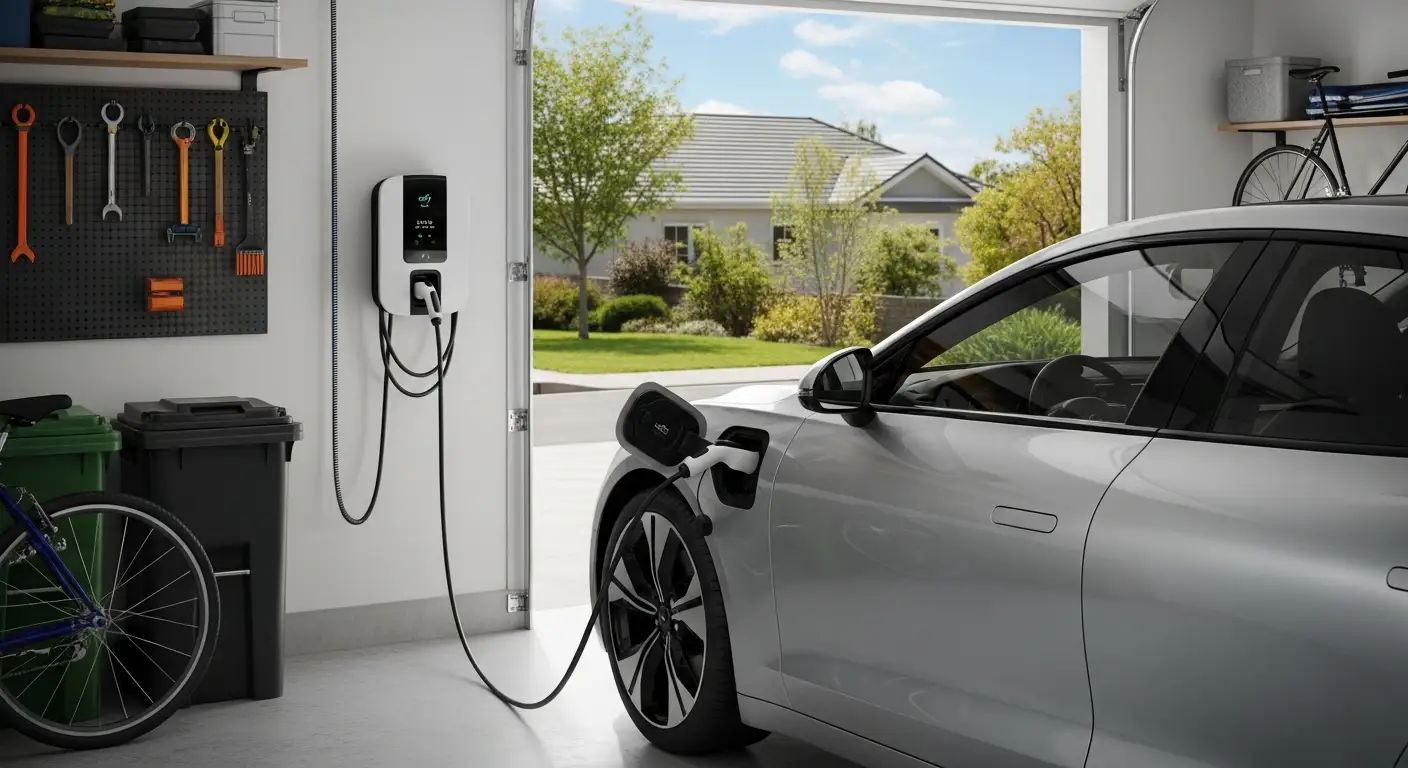
Secondly, the infrastructure for V2G must be established. This includes the deployment of smart charging stations capable of both charging electric vehicles and drawing power from them. These stations need to be equipped with advanced communication technologies to interact efficiently with both the vehicles and the electricity grid.
Thirdly, regulatory frameworks need to evolve to accommodate V2G technology. Policies governing electricity distribution, tariffs, and compensation for energy supplied by EVs will need to be crafted to create an environment conducive to V2G deployment. Regulatory bodies will play a crucial role in stipulating standards to ensure the safe and reliable operation of V2G systems.
The potential environmental benefits of V2G technology are substantial. By facilitating more effective integration of renewable energy, V2G can help reduce reliance on fossil fuels and the associated greenhouse gas emissions. Additionally, the overall energy efficiency of the grid could be enhanced, leading to a more sustainable energy future.
There are, however, challenges and considerations that need addressing before V2G can become mainstream. The impact of frequent charging and discharging on battery life is a significant concern. Battery degradation over time could offset the financial gains from participating in V2G. Therefore, further research is required to develop batteries that can withstand the demands of V2G operations.
Another consideration is cybersecurity. With the increase in connected devices and systems required for V2G, ensuring these networks are secure from cyber threats is paramount. Robust cybersecurity measures will be essential to protect sensitive data and maintain the integrity of the grid.
Consumer acceptance is also crucial to the success of V2G. For many, their vehicle is an essential part of their daily lives, and the idea of it being used for grid services might raise concerns about mobility and battery reliability. Educating consumers about the benefits and addressing their concerns will be important for widespread acceptance.
The integration of V2G technology into our energy landscape is a complex process that involves technological, regulatory, and social considerations. Although still emerging, the vision of a future where electric vehicles contribute significantly to the stability and efficiency of the energy grid is compelling. As the technology and infrastructure continue to develop, V2G has the potential to redefine our relationship with energy, making electric vehicles not only a means of transportation but also integral components of our energy ecosystem.
In conclusion, Vehicle-to-Grid technology presents a transformative opportunity for the energy sector. By harnessing the stored power in electric vehicles, V2G could enhance grid resilience, facilitate renewable energy integration, and offer economic advantages. As research and development continue, and as more stakeholders engage in this field, the potential for V2G to reshape how we generate, store, and use energy grows increasingly tangible. The journey toward a sustainable energy future may very well see electric vehicles playing a pivotal role, not just on the road, but in powering our homes and communities.