In the age of accelerated technological advancement, the automotive industry is experiencing transformative changes not only in how vehicles are designed and manufactured but also in the way they are maintained and serviced. At the forefront of this transformation is the concept of digital twins, a fascinating development that harnesses technology to extend the lifespan of your car. But what exactly is a digital twin, and how does it contribute to preserving the integrity of your vehicle?
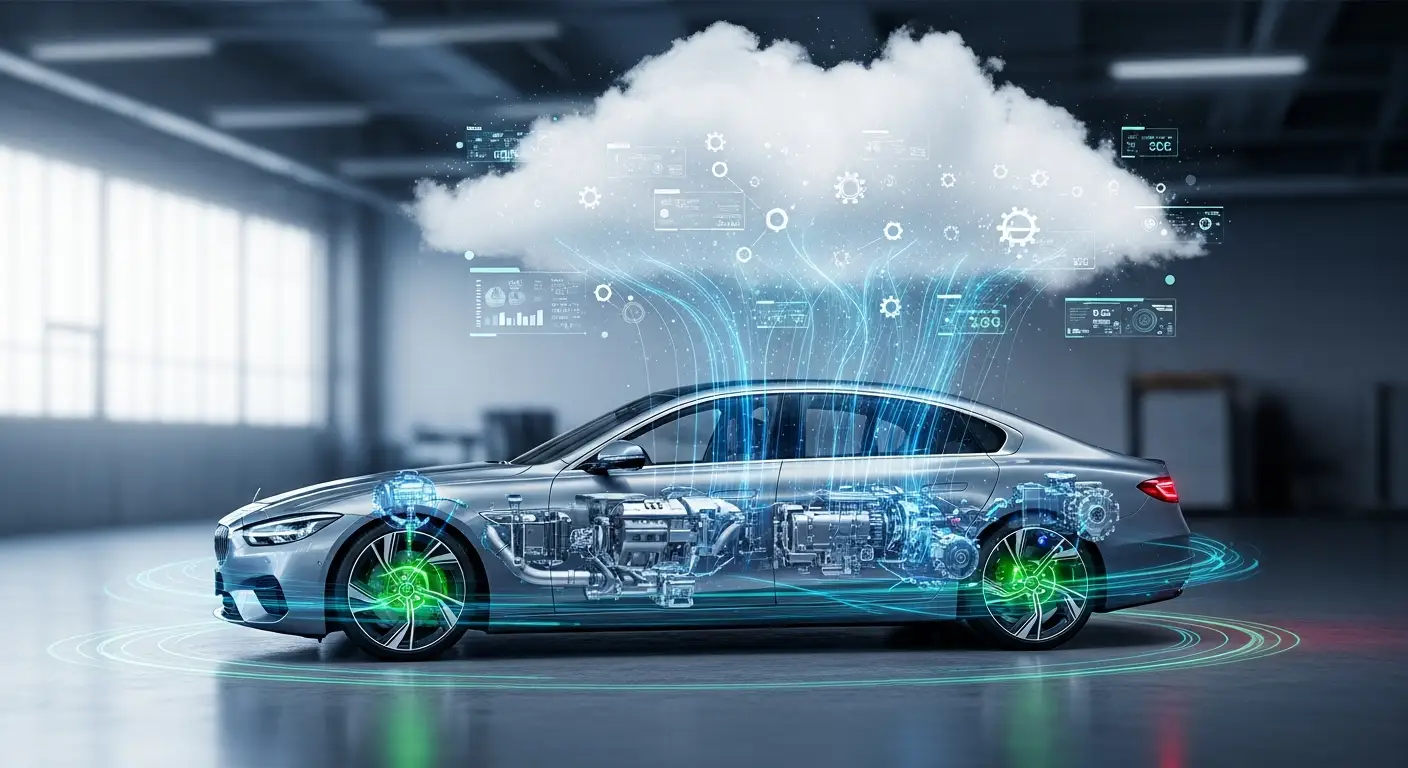
A digital twin involves creating a virtual replica of a physical object. In the context of your car, a digital twin is a dynamic, interactive, and real-time digital representation of your vehicle that resides in a cloud network. This virtual copy is continually updated with data, allowing it to mirror the state of your actual car with remarkable accuracy. The essence of a digital twin is to provide an interface that reflects the performance and health of your car, offering insights that help in making informed decisions regarding its maintenance and operation.
The core functionality of a digital twin is enabled by real-time telemetry. Telemetry involves the collection of data from various sensors installed in your car. These sensors continuously monitor a wide range of parameters, including engine performance, tire pressure, fuel efficiency, brake condition, oil levels, and more. This data is then transmitted to the cloud-based digital twin. As a result, the virtual model is a faithful representation of your vehicle's current status, offering a clear picture of its operational health.
One of the most significant advantages of a digital twin is its ability to simulate wear and tear on a vehicle. By analyzing data over time, the digital twin can create simulations that predict how different driving patterns and conditions impact the longevity of various car components. Instead of relying solely on recommended maintenance intervals, you and your mechanic can access valuable insights into when specific parts may need attention. This predictive capability helps in taking proactive measures to avoid potential failures, ultimately safeguarding the vehicle’s functionality for longer.
Digital twins are not only capable of predicting wear and tear but also of identifying potential mechanical issues before they become problematic. By detecting anomalies in the collected telemetry data, the digital twin can alert you to potential issues well ahead of time. For instance, if there is an unusual increase in engine temperature or irregularities in fuel consumption, these can be early signs of mechanical problems that require investigation. By addressing these issues before they escalate, the digital twin helps prevent expensive repairs and unexpected breakdowns, thus enhancing the reliability and safety of your car.
Moreover, digital twins can optimize the repair and maintenance process by alerting your mechanic about ordering parts in advance. When the digital twin identifies a component that is nearing the end of its effective life, it can automatically notify your mechanic about the upcoming need for replacement parts. This ensures that parts are available when needed, minimizing downtime and keeping your car on the road longer. It also reduces unnecessary waiting periods, as mechanics can plan maintenance schedules more efficiently, aligning them with the availability of necessary parts.
Implementing a digital twin offers a way to adopt a more evidence-based approach in vehicle maintenance, translating into enhanced performance and extended vehicle lifespan. It inherently aligns with the principles of preventive maintenance, driving value for both individual car owners and automotive service providers. For car owners, the main advantage lies in maximizing car usage while reducing total maintenance costs over the vehicle's lifetime. For mechanics and manufacturers, digital twins can optimize supply chain management, inventory management, and enhance the customer experience.
In summary, a digital twin represents a remarkable technological innovation aimed at enhancing the durability and lifespan of your car. Through real-time telemetry and data-driven insights, it enables the monitoring of vehicle health, prediction of maintenance needs, discovery of hidden mechanical faults, and effective orchestration of part availability. By integrating digital twins into automotive service processes, car owners and mechanics can work hand-in-hand to ensure vehicles remain road-ready, dependable, and efficient for many years. As this technology continues to mature, it promises to redefine vehicular care, ushering in an era where cars maintain peak performance longer, maintenance efforts are precisely tailored, and automotive experiences transform into seamless, trust-driven endeavors.