Picture this: you’re driving down the road, enjoying your favorite tunes, and suddenly, a glowing icon catches your eye on the dashboard. If you’ve ever wondered what these symbols mean and how you should react, you’re not alone. This simple guide aims to demystify those cryptic lights and help you understand what your car might be trying to tell you.
Dashboard warning lights play a crucial role in communicating essential information about your vehicle's health and operational status. They are like the car's way of sending you a message. Knowing what these symbols mean can not only save you a lot of stress but can also prevent unnecessary damage to your vehicle by prompting timely maintenance or repair.
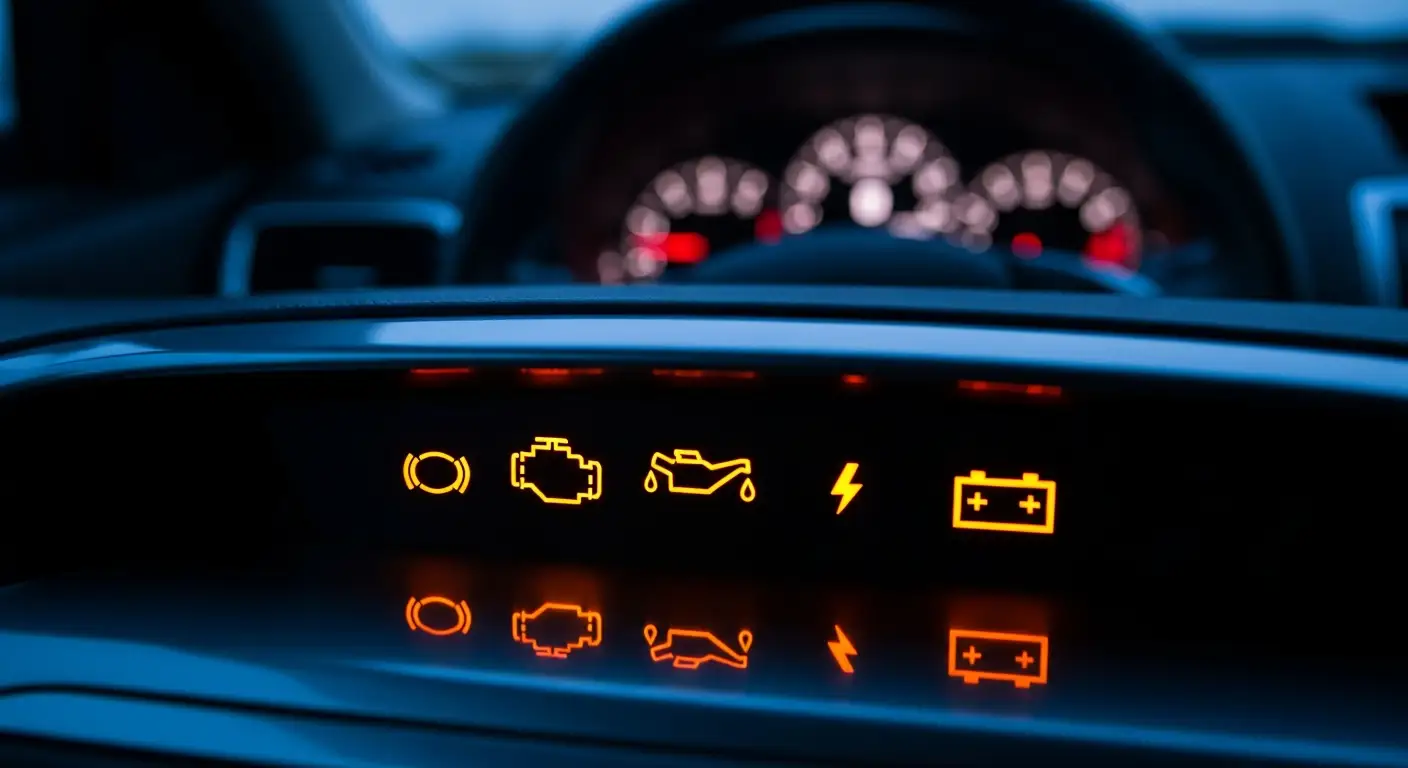
Let’s start with one of the most common icons: the check engine light. Often represented as an engine-shaped icon, this light is part of the onboard diagnostics system. When it illuminates, it indicates that the car's computer has detected an issue with the engine or its surrounding components. While the cause could be as minor as a loose gas cap, it could also signal more serious engine troubles. If the light is steady, it's advisable to check it out soon. However, if it starts flashing, it suggests a more severe problem requiring immediate attention.
Next up, the oil pressure warning light. Depicted as an oil can, often with a drop coming out, this icon is critical. It signals that your engine might not have sufficient lubrication, which could lead to severe damage if ignored. This light might indicate low oil levels, but it could also be a sign of a faulty oil pump or other issues. When this light comes on, it’s best to check your oil level first. If refilling doesn’t solve the problem, it's wise to consult a professional to prevent potential engine damage.
Another vital symbol is the battery warning light, usually represented by a battery icon. When this light appears, it suggests an issue with the car's electrical system. It's often an indication that the battery isn't charging properly, which could be due to a failing alternator, a loose battery cable, or a damaged battery. While it doesn't necessarily mean the battery will immediately die, it’s an alert that you should inspect your vehicle's electrical charging system to avoid getting stranded.
The temperature warning light, illustrated by a thermometer submerged in liquid, is another critical icon. It warns you that your engine is overheating, which could stem from a variety of causes like low coolant levels, a broken thermostat, or a failing radiator. An overheating engine can lead to severe damage, making this light one you don’t want to ignore. If it appears, it’s advisable to stop and allow your engine to cool down before taking further action.
The brake system warning light, usually a circle with an exclamation mark or the letters 'ABS' inside, could indicate different issues depending on your vehicle type. It might mean your brake fluid is low, the handbrake is engaged, or there’s a malfunction within the anti-lock braking system (ABS). Given the critical nature of brakes for vehicle safety, any brake warning merits immediate attention.
Tire pressure warning, depicted by a horseshoe-shaped icon with an exclamation point, signals that one or more of your tires are under-inflated. Correct tire pressure is crucial for safe handling, optimal fuel economy, and tire longevity. Ignoring this warning can result in poor handling or even a tire blowout at high speeds, so it's important to address this light promptly by checking your tire pressures and adjusting them to the recommended levels.
There’s also the traction control warning light, shown as an outline of a car with wavy skid marks behind it. This light appears when your car’s traction control system is actively working to maintain traction. If it stays lit continuously, it might indicate a fault in the system that requires professional inspection. Traction control is vital for maintaining steering control and preventing tire spin during slippery conditions, making it essential for safe driving.
The airbag warning light, often represented as a person with a circle (airbag) in front of them, indicates a malfunction in the vehicle’s airbag system. Since airbags are a crucial safety feature designed to protect you in a crash, any problem with this system should be addressed immediately to ensure it functions correctly in an emergency.
Now, let’s consider when to book a routine service check. Even if everything seems to be running smoothly, routine checks based on your vehicle's maintenance schedule can prevent future issues. If you notice any of the above warning lights, especially if they remain lit after addressing the basic fixes like fluid top-ups or tire pressure adjustments, it's a good idea to have a professional look at your vehicle. Regular servicing not only helps keep your vehicle in good condition but also extends its lifespan and ensures your safety on the road.
To wrap up, while these are some of the most common dashboard symbols, remember that your vehicle might feature additional lights or slightly different icons, as designs can differ between car manufacturers. For a comprehensive understanding, always refer to your vehicle’s manual to get acquainted with the specific warning lights and recommended actions for your model.
By understanding these basic dashboard warning lights, you’re better equipped to respond appropriately and maintain your vehicle’s performance and reliability. Staying informed can help keep repairs manageable, extend the life of your car, and most importantly, ensure your safety on every drive.