Driving an electric vehicle (EV) in cold weather presents unique challenges often not encountered with traditional internal combustion engines. Cold weather can temporarily affect the efficiency and range of an EV’s battery, which is one of the key components of these vehicles. Furthermore, understanding how to manage energy use effectively in cold conditions can enhance the driving experience and maintain comfort levels even when temperatures drop.
One of the primary factors affecting electric vehicles in cold weather is battery chemistry. EVs utilize lithium-ion batteries, which store energy through electrochemical reactions. These reactions occur more slowly in cold temperatures, meaning the battery’s ability to deliver power decreases. In essence, the cold affects how efficiently the battery can release its energy. As a result, drivers might experience a temporary reduction in the range their EV can cover on a single charge. While manufacturers are continuously improving battery technology to mitigate these effects, understanding why they occur can help drivers prepare better for winter conditions.
In addition to the chemistry aspect, cold temperatures can increase the internal resistance within the battery. This internal resistance impacts the battery’s performance by limiting its capacity to deliver power for long distances. When internal resistance is high, the system must work harder to provide the same level of power, which can contribute to decreased efficiency and shorter driving range. It’s worth noting that while the battery may appear to lose power or capacity in cold weather, these effects are usually temporary, and performance will return to normal as temperatures rise.
Moreover, EVs often expend additional energy to maintain cabin warmth, as they lack the waste heat typically generated by a conventional engine. While some energy is naturally used to warm passengers, any power drawn from the battery for heating systems translates to less energy available for driving. Therefore, drivers may see a reduction in range when using the climate control system extensively in cold weather.
One simple tip to keep in mind is the strategic use of heated seats and steering wheel warmers instead of relying solely on the cabin heater. Heated seats and steering wheels provide warmth directly to the occupants and use significantly less energy from the battery as compared to whole-cabin heating. By minimizing the demand on the heating system, drivers can conserve energy more effectively and maintain a longer driving range.
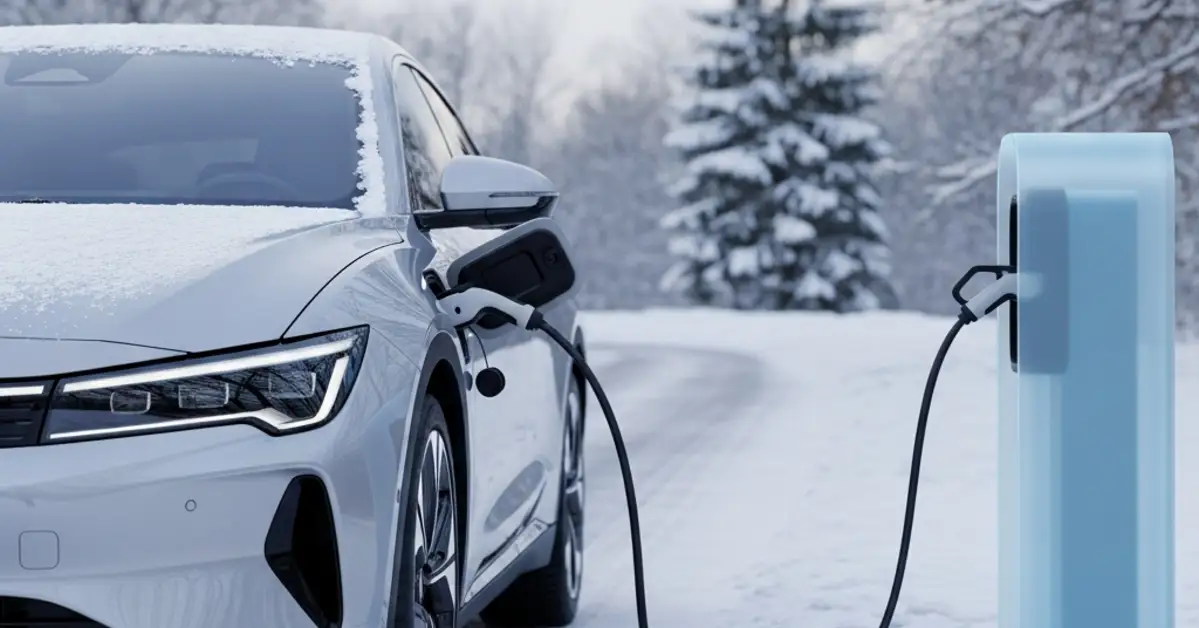
Preconditioning the vehicle while it is still plugged in is another effective strategy. Many modern electric vehicles come equipped with preconditioning features that warm the battery and cabin before the journey begins. By doing this while the vehicle is still charging, drivers ensure that the battery is at an optimal temperature and energy is conserved for driving rather than heating. Utilizing preconditioning minimizes the initial energy demand from the battery when the trip starts.
Tire pressure also plays a crucial role in driving an EV efficiently in cold weather. Lower temperatures tend to reduce tire pressure, which increases rolling resistance and causes the vehicle to use more energy to maintain speed. Checking tire pressure regularly and ensuring that they are inflated to the manufacturer’s specifications can help mitigate these effects and improve range efficiency.
Using eco-driving techniques can further aid in energy conservation during cold weather. For example, accelerating gradually rather than quickly minimizes the demand on the battery. Additionally, when possible, utilizing regenerative braking can recover energy that would otherwise be lost during braking and redirect it to recharge the battery, thereby extending the driving range.
Some electric vehicle drivers also benefit from route planning during the winter months. Choosing routes that avoid steep inclines, heavy traffic, or excessive stops helps preserve energy. Additionally, many EVs have built-in navigation systems that show charging stations along the route. Preemptively knowing where to charge if the battery depletes faster than expected can alleviate range anxiety and ensure smoother travel.
Using the “eco” or energy-saving mode available in many electric vehicles is yet another way to enhance battery efficiency. This mode generally adjusts the performance settings to optimize energy use, often reducing power output and modifying climate controls to favor energy conservation. Activating this mode in colder months can maximize the distance covered on a charge.
For those who are planning to leave the vehicle parked outdoors in frigid conditions, it can be beneficial to park in a position that receives sunlight, if possible. This slight increase in ambient temperature may aid in maintaining a higher battery temperature, albeit marginally. Another tip is to keep the battery at a healthy charge. Batteries that are too low might struggle with starting in particularly cold weather, while fully charged batteries reserved at a station generally don’t have these issues.
In conclusion, while cold weather can present significant challenges to electric vehicle performance, understanding the science behind battery efficiency in colder climates can empower drivers with the knowledge to effectively manage it. Simple strategies, such as using heated seats, preconditioning the battery, maintaining tire pressure, and optimizing driving patterns, can help EV owners maximize their driving range and comfort. By preparing adequately and utilizing energy-saving techniques, EV drivers can enjoy the benefits of electric vehicles even during the coldest months of the year.