In the evolving landscape of education, understanding the impact of screen time compared to deep focus on attention spans in the classroom has become a pressing topic. With the advent of digital technology, screens have become ubiquitous in learning environments, transforming the way students engage with educational material. However, this shift has raised questions about how these digital tools may influence students' ability to concentrate deeply during lessons. To navigate these complexities, researchers have delved into how screen time and deep focus each uniquely affect classroom attention spans.
Screen time typically refers to the amount of time people spend using devices with screens, such as computers, tablets, and smartphones. In educational environments, screen time can include activities such as reading e-books, conducting online research, and participating in virtual classrooms. As schools integrate technology into their teaching methods, the role of screen time in enhancing or detracting from learning experiences is a critical discussion point.
One aspect of concern regarding screen time is the potential for distraction. Screens offer instant access to a vast amount of information and entertainment options. In classrooms, students may be tempted to check notifications, browse social media, or play games, which can interrupt their concentration on educational tasks. Researchers suggest that the easy accessibility and engagement of digital content can sometimes lead to fragmented attention, where students switch rapidly between tasks and devices, potentially undermining the continuity required for deep learning.
Conversely, deep focus is characterized by sustained attention to a single task, allowing for in-depth understanding and retention of information. This mode of attention is fundamental in educational settings, where students are often required to engage deeply with complex topics. Deep focus facilitates critical thinking, problem-solving, and the ability to synthesize new information with existing knowledge. Achieving a state of deep focus in the classroom can be challenging, particularly in environments heavily mediated by technology.
There is an ongoing exploration into how screen time can be optimized to encourage rather than hinder deep focus in educational contexts. For instance, digital tools can be designed to promote interactive and engaging learning experiences that hold students' attention. Additionally, setting boundaries on screen use and incorporating breaks may help mitigate the negative impacts of prolonged screen exposure. Educational institutions are increasingly considering these strategies to balance screen time with periods of deep focus.
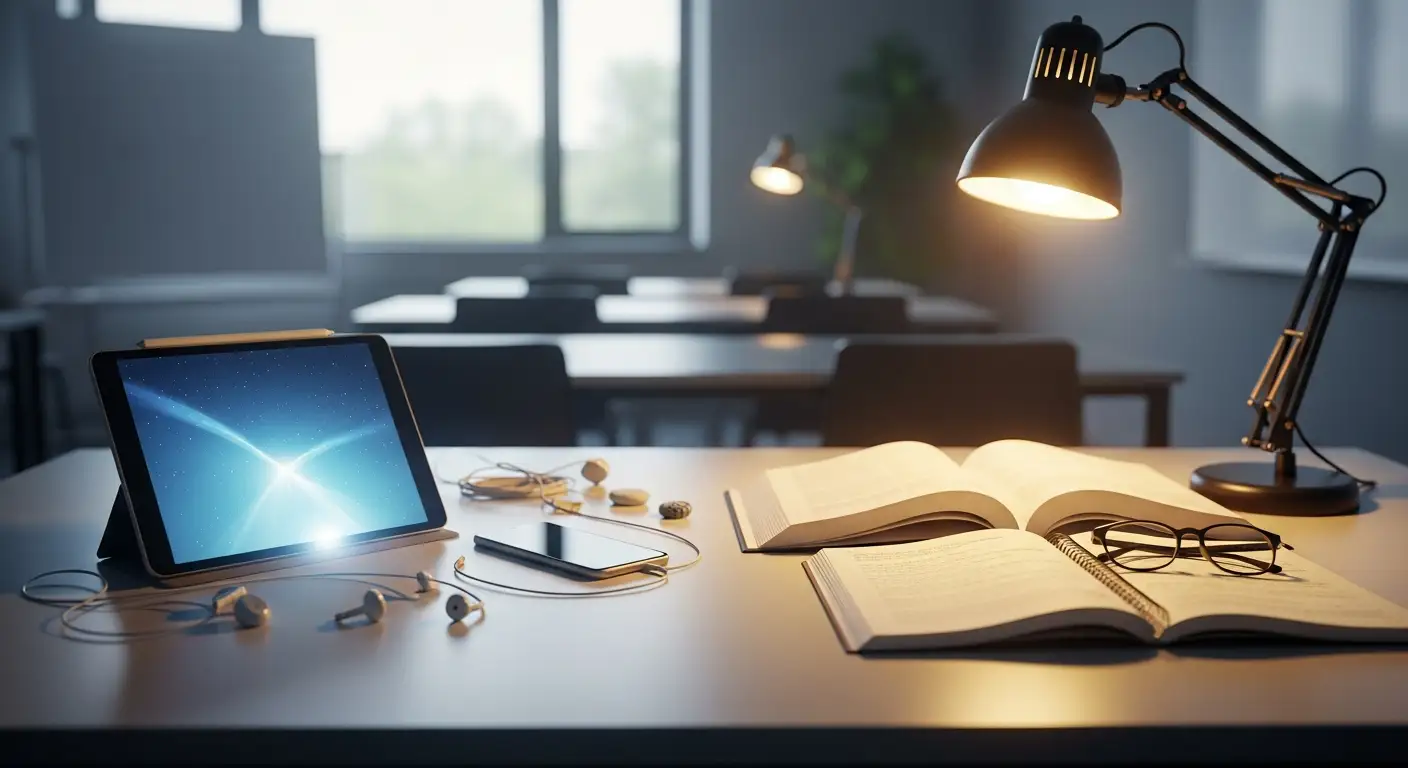
Furthermore, individual differences in attention span and learning styles play a significant role in how students respond to screen time and deep focus. Some students may thrive in tech-enhanced educational settings, finding that interactive and multimedia content sustains their interest and motivation. Others may perform better with traditional learning methods that prioritize uninterrupted time for critical thinking and in-depth exploration.
Emerging research emphasizes the importance of adapting learning environments to accommodate diverse student needs. By understanding the nuances of how screen time and deep focus affect attention spans, educators can better design curricula that foster effective learning. Incorporating a variety of teaching methods, including both digital and non-digital approaches, may provide the flexibility needed to support different learning preferences.
The evolving nature of education makes the topic of screen time versus deep focus an important area of study. While technology continues to shape the classroom, the goal remains to enhance learning outcomes and support students' academic achievements. By fostering a nuanced understanding of attention spans, educators can make informed decisions about incorporating screen time and encouraging deep focus in classroom settings.
In conclusion, the relationship between screen time and deep focus in the classroom highlights the complexities of modern education. With thoughtful integration of technology and a focus on strategies that promote sustained attention, educators can create environments where students are both engaged by digital tools and capable of deep learning. The challenge lies in finding the right balance that maximizes the benefits of technology while preserving the essential element of focus required for academic success. As research continues to reveal insights about attention spans, educators and policymakers are better equipped to cultivate learning spaces that empower students to thrive in an increasingly digital world.