In the swiftly evolving world of finance and technology, digital wallets have emerged as convenient tools for managing money without the need to carry physical cash or cards. With options such as Apple Pay, Google Wallet, and Samsung Pay at your disposal, the question of safety is crucial. How do these platforms ensure the security of our transactions? Two key technologies stand out: tokenization and biometric security mechanisms. Together, they form the backbone of mobile payment security, offering significant advantages over traditional payment methods.
Tokenization is a critical part of securing mobile payments. This process involves substituting sensitive data, such as credit card numbers, with a series of randomly generated numbers, known as a token. This unique token is used during transactions instead of your actual card number. It acts as a proxy, ensuring that even if a transaction is intercepted, the attacker only obtains a useless string of numbers rather than your real card information.
The beauty of tokenization lies in its complexity and uniqueness. Each transaction typically uses a different token, which means that the same token cannot be reused maliciously. In an age where identity theft and fraud are rampant, this feature greatly reduces the likelihood of your financial data being compromised. Unlike the information on a physical card that remains static and vulnerable, tokenization ensures dynamic protection.
Biometric security further enhances the safety of digital wallets. Modern smartphones that support digital wallets incorporate biometric authentication methods like fingerprint scanning, facial recognition, and even voice identification. These biometric systems add a layer of security that is both difficult to replicate and unique to each user. Unlike PINs or passwords, which can be forgotten, guessed, or stolen, your biometric data is uniquely yours.
Fingerprint scanners, for example, use capacitive technology to capture the unique ridges and valleys of your fingertip. Facial recognition employs advanced algorithms to build a three-dimensional map of your face, ensuring accurate identification even in varied lighting conditions. These methods are incredibly difficult to bypass and add a personal layer of verification for every transaction you make.
One of the subtle yet powerful advantages of biometric authentication is its convenience. You don’t need to remember multiple passwords or worry about someone shoulder-surfing to steal your PIN. Biometrics allow for quick and seamless payment processes, marrying security with user experience. So, while you enjoy the speed and convenience, you're simultaneously maintaining robust security measures.
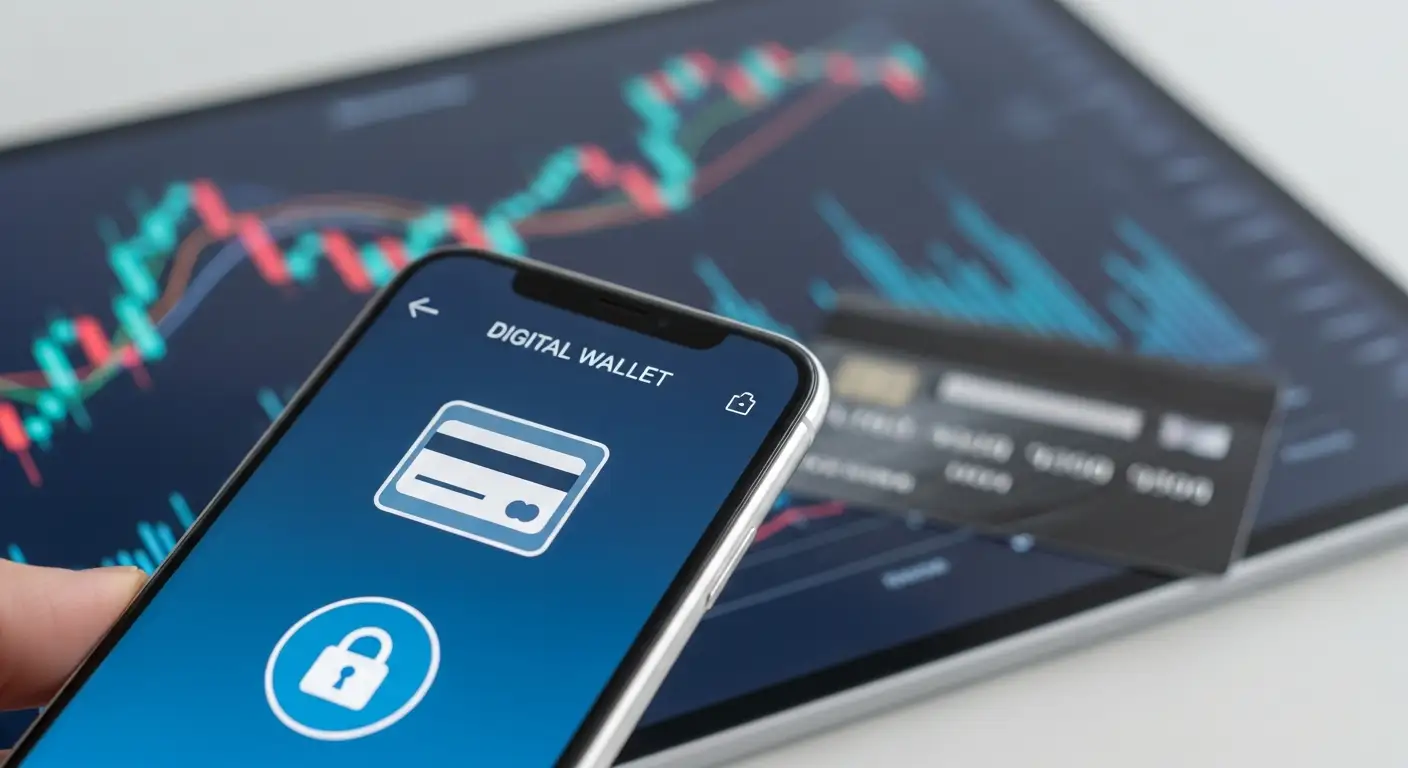
The integration of tokenization and biometric security into digital wallets doesn't just protect your transactions; it also addresses some of the limitations of traditional physical cards. Physical cards are susceptible to being lost, stolen, or cloned. In contrast, digital wallets are inherently protected by the device’s security features. Even if your phone is lost or stolen, encrypted biometrics and the device's inherent security settings can prevent unauthorized access to your wallet.
Furthermore, many digital wallets offer additional features such as transaction notifications and purchase tracking, keeping users informed and alert about their financial activities. This transparency allows for prompt reporting and action if any suspicious activities are detected. In contrast, unauthorized transactions on physical cards can sometimes go unnoticed until sufficient damage has been done.
However, digital wallet security is only as strong as its weakest link – the user. While tokenization and biometrics are secure, users must also adopt safe practices to ensure total security. Regular updates of the operating system and applications can protect against potential exploits. Moreover, enabling device tracking and remote wiping options as a precautionary measure can provide quick resolutions if a device is lost.
Moreover, it is essential to download digital wallet apps only from reputable sources, such as official app stores, and to be cautious of phishing scams that attempt to steal credentials under the guise of official emails or messages. As with all technology, staying informed about the latest security recommendations is crucial in maintaining the integrity of your financial data.
In summary, digital wallets such as Apple Pay and Google Wallet are paving the way for secure, efficient, and easy-to-use payment solutions. Through the combination of tokenization and biometric locks, they offer a more secure alternative to traditional physical cards. With the promise of high-level encryption, unique transaction tokens, and the irreplaceable human touch of biometrics, these platforms exemplify the future of personal finance security.
As these tech-meets-finance innovations continue to evolve, they promise further enhancements in security, convenience, and accessibility for users worldwide. It’s vital for everyone to understand these technologies, harness their strengths, and take proactive steps to protect themselves in this digital age – because with great convenience should also come a great sense of security.