In today's fast-paced world, more people are beginning to realize the interconnectedness of personal finance and environmental sustainability. There is a growing interest in finding ways to save money while also being conscious of the earth’s health. One exciting trend that underscores this dual goal is the rise of buying second-hand household goods, using community appliance repair libraries, and stretching resources not only to pad your wallet but to protect the planet.
The renewed interest in second-hand household goods is not just a manifestation of retro fashion appeals or a nostalgic journey down memory lane. Acquiring used or pre-loved items aligns with both financial sensibility and environmental responsibility. By giving items a second life, you reduce the demand for new products, which in turn lessens the energy used and waste created in the manufacturing and shipping processes. This minor adjustment can cumulatively have a significant impact. For instance, opting for a second-hand dining table doesn't just cut costs; it represents one less table that needs to be produced, thereby reducing the carbon footprint associated with the resources utilized in making it new.
Embracing the second-hand market is all about smart consumerism. Thrift stores, online marketplaces, and garage sales offer an abundance of options, from furniture to electronics to clothing, all at a fraction of the cost. The financial savings from placing value on durability and recycling are a compelling incentive. Consumers not only save money by buying these items, but they contribute to a system that favors conservation over consumption. There's a growing satisfaction in acquiring unique items with personal histories and knowing that reuse is a direct, simple path to environmental consciousness.
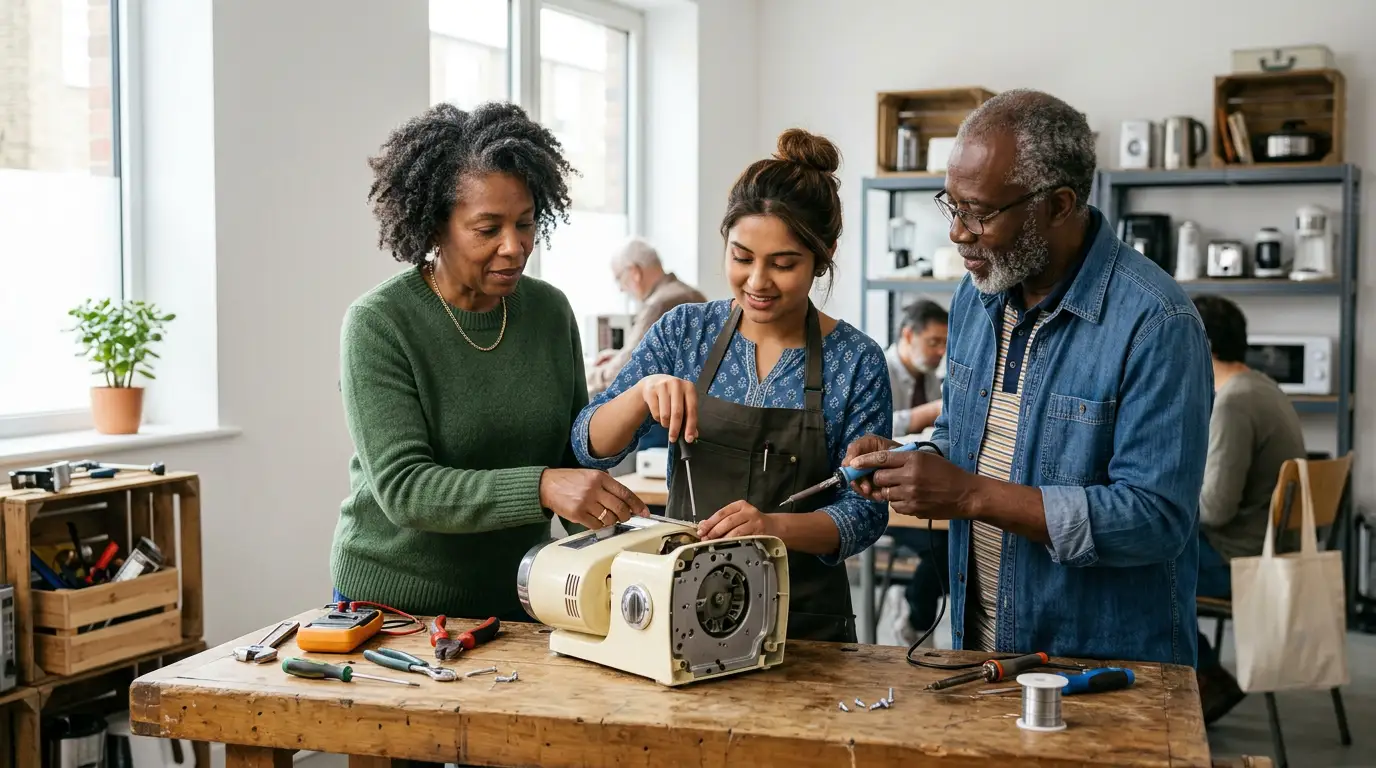
Among the community initiatives gaining popularity are appliance repair libraries. These libraries work much like traditional book libraries, allowing members to borrow tools and equipment to repair household appliances. This initiative not only saves money on costly repairs but also prevents appliances from ending up in landfills when they can easily be fixed. The environmental benefits result from reduced electronic waste and diminished impact on natural resources required to produce new items. By solving a simple, everyday problem, repair libraries make a larger statement about community involvement and sustainability.
Community workshops often supplement appliance repair libraries, providing educational resources and hands-on training for members to learn how to fix everyday household items. Participating in these workshops strengthens community ties and empowers individuals with the skills needed to tackle their repairs. The joy of fixing something with your own hands and extending its life is hard to match, and more importantly, it nurtures a consumer culture that values longevity over planned obsolescence.
Moreover, stretching resources efficiently in all areas of life, from energy consumption to everyday household operations, continues to prove beneficial for both savings and sustainability. In terms of energy use, simple changes can make a meaningful difference. Using energy-efficient appliances, sealing windows and doors, or even just turning off lights when not in use not only helps reduce the electricity bill but also supports broader efforts to lower greenhouse gas emissions.
Adopting a mindset of resourcefulness encourages maximizing the utility of what we already possess. This could mean repurposing items around the house, like using old storage boxes as planters or transforming wooden pallets into new furniture pieces. Resourcefulness breathes new life into objects that might otherwise be discarded and stimulates creative solutions. Not only does this practice cut down on waste, but it challenges individuals to think critically about their consumption patterns.
The cumulative effect of these practices results in a powerful contribution to lessening one's carbon footprint. The principles of reducing, reusing, and recycling aren't new, yet they remain critically relevant amidst the present global challenges. Saving money and saving the environment aren't mutually exclusive goals but are instead two sides of the same coin. They reflect a broader shift towards responsible living that transcends individual gains and contributes to global well-being.
In conclusion, the intersection of finance and environmental stewardship showcases a future where economic frugality and ecological mindfulness work hand in hand. As individuals increasingly opt for buying second-hand household goods, engaging in community appliance repair initiatives, and creatively stretching resources, they are making impactful decisions that align their values with their actions. These efforts, though simple, help foster a culture of sustainability and financial wisdom that can benefit everyone.
The ongoing dialogue about eco-finance challenges us to re-evaluate our consumer habits and consider the broader implications of our financial decisions. As these movements gain momentum, they not only empower individuals to take control of their finances but also to become stewards of the earth, effectively weaving a thread of sustainability through the fabric of daily life. This movement isn't just about cutting corners; it's about laying a sustainable foundation for future generations to nest on.