In recent years, the world has witnessed a significant surge in artificial intelligence (AI) development. As this transformative technology continues to advance, it is driving a boom in capital expenditures, specifically targeting digital infrastructure. Surprisingly, this boom is not only relevant to the tech giants developing these AI marvels, but it is also breathing new life into utilities and industrial sectors. Understanding this phenomenon requires a deeper dive into the behind-the-scenes economics of technology expansion, where an unprecedented demand for power and physical equipment is reshaping industries often considered staid and unexciting.
The digital revolution, exemplified by AI's adoption, hinges on massive computational power. AI models, especially those leveraging deep learning techniques, require extensive processing capabilities to perform tasks such as natural language processing, image recognition, and data analysis. This processing power is facilitated by data centers, interwoven networks of powerful computers that serve as the backbone of modern digital services. As AI adoption grows, so does the number and size of these data centers, leading to heightened demand for raw power.
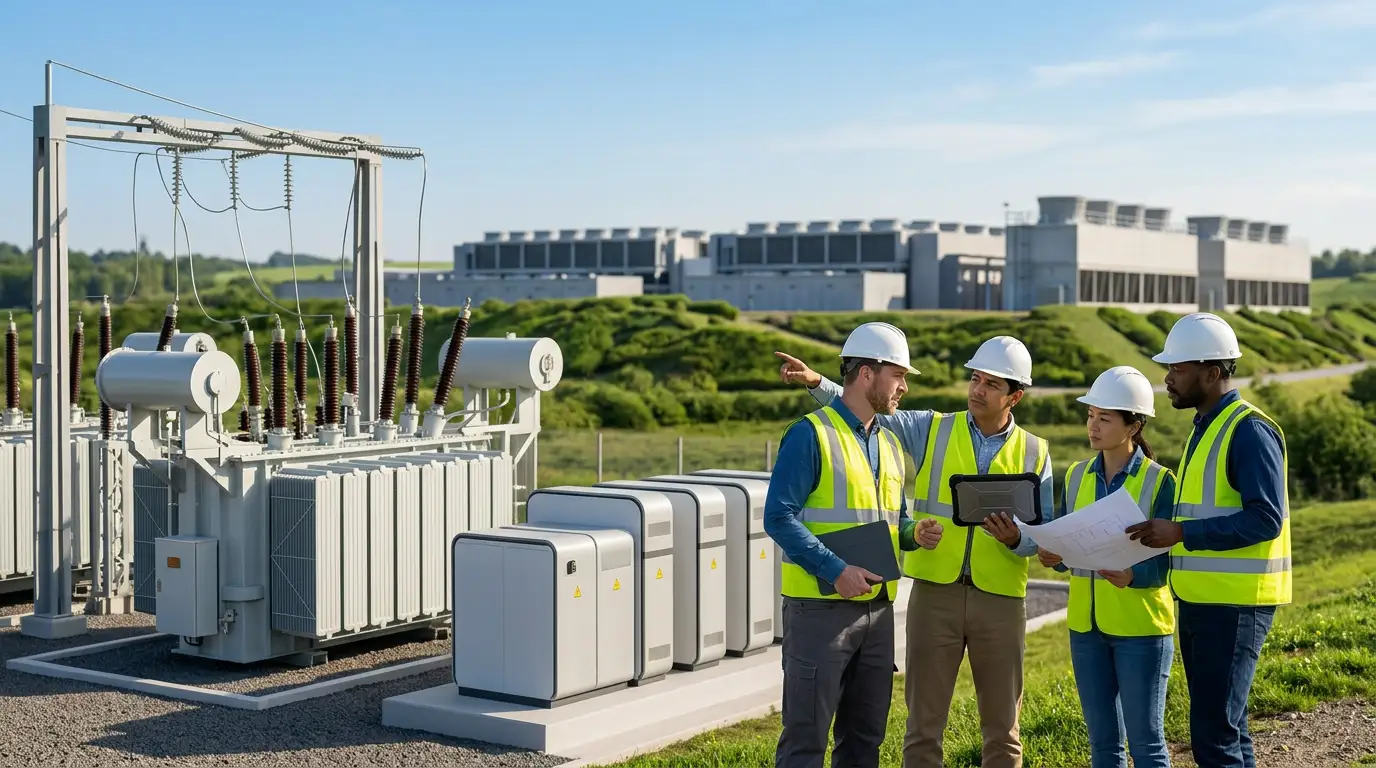
Utilities, typically seen as stable yet uninspiring components of the economy, are experiencing a renaissance, driven by the AI capital expenditure boom. As digital infrastructure expands, so does the energy consumption required to sustain it. Data centers alone are energy-intensive, with individual centers requiring as much electricity as small towns to keep servers cool and operational. Consequently, utilities find themselves crucial players in this digital transformation, tasked with supplying consistent, reliable power to fuel these technological wonders.
Furthermore, the rising need for renewable energy to power AI-driven infrastructure aligns perfectly with the ongoing push for sustainable solutions. Clean energy sources, such as solar, wind, and hydroelectric power, present utilities with opportunities to invest in greener alternatives. This shift toward sustainable energy not only aligns with global environmental goals but also provides utilities with fresh revenue streams and growth prospects, enhancing their appeal to long-term investors focused on environmental, social, and governance (ESG) criteria.
The industrial sector, traditionally focused on the production of tangible goods, finds synergy with the AI capital expenditure boom through manufacturing and deploying physical equipment essential for digital infrastructure. Industrial companies specializing in the production of chips, servers, cooling systems, and electrical components are witnessing increased demand as tech companies invest in building and expanding data centers. This upsurge catalyzes innovation in industrial processes, as manufacturers strive to meet efficiency, speed, and scalability demands.
Manufacturing companies are also benefiting from AI's integration within their operational frameworks. AI-driven automation and optimization tools streamline production lines, reduce waste, and enhance productivity. This internal adoption of AI technology further propels industrial growth and innovation, contributing to an ongoing cycle of advancement. As industrial firms adapt to this digital age, they become indispensable partners to the tech industry, cementing their place in the new economy's ecosystem.
Beyond infrastructure, the ripple of AI's growth impacts other facets of the industrial landscape. AI-led automation and robotics transform traditional manufacturing processes, shifting the paradigm from labor-intensive to highly automated systems. This transition demands investments in advanced machinery, sensors, and AI-powered control systems, further fueling demand for industrial products. As companies retool factories to remain competitive, industrial manufacturers thrive by supplying these critical components and systems, paving the way for mutually beneficial growth.
Amidst this technological transformation, investment opportunities abound for retail investors willing to delve into utilities and industrials. While tech stocks often dominate headlines, these infrastructure-dependent sectors present compelling long-term prospects. The AI capital expenditure boom provides a foundation for utilities and industrial companies to explore new avenues, innovate, and contribute meaningfully to building a digital future.
Investors looking to include utilities and industrials in their portfolios should adopt a forward-thinking mindset. Emphasizing companies prioritizing sustainability can intersect with the clean energy transition, fostering broader positive societal impacts. Simultaneously, identifying industrial innovators embracing AI-driven automation positions investors to capitalize on an evolving market landscape.
Additionally, understanding the intricacies of energy policy, regulation, and industrial innovation is vital when assessing investment risks and rewards associated with these sectors. Political and economic developments influencing energy supply, regulatory frameworks governing industrial activities, and technological breakthroughs can all significantly impact these industries. Staying informed enables investors to make informed decisions aligned with the ever-shifting dynamics of global economies.
In conclusion, the AI capital expenditure boom sets off ripples that extend beyond the tech giants into the seemingly mundane realms of utilities and industrials. As retail investors seek innovative additions to their portfolios, understanding the intricate interplay between AI-driven demand for digital infrastructure and these sectors becomes paramount. By recognizing the evolving role of utilities and industrials in powering the digital age and adopting sustainable practices, investors can uncover opportunities poised for long-term growth. As digital transformation accelerates, these unsung heroes of technological advancement shine, promising vibrant prospects for those prepared to embrace the ripple effect.