Wildfire season can introduce significant challenges to maintaining indoor air quality, making it essential for individuals to take proactive steps in safeguarding their respiratory health. This guide will walk you through the importance of using high-efficiency particulate air (HEPA) units, effectively managing indoor air cycling, and attentively tracking real-world outdoor AQI (Air Quality Index) levels to create a haven in your home during these challenging times.
The first step in maintaining good indoor air quality during wildfire season is understanding the valuable role of HEPA units. These filters are designed to capture 99.97% of particles that are 0.3 microns in diameter, meaning they are exceptionally effective at removing smoke particles, dust, and allergens from your home. When considering a HEPA unit, it is important to select one that matches the size of your room. Most units have a recommended room size, allowing them to operate at peak efficiency. Ideally, you want a unit capable of cleaning the air in the room five times per hour.
Once you have the right HEPA unit for your space, proper placement is key. It should be positioned toward the center of the room, away from walls or objects that might obstruct airflow. For optimal results, keep doors and windows closed while the HEPA unit is in operation, and ensure all possible entry points for outdoor air are sealed. Running the unit continuously during high-pollution periods ensures your indoor space remains as clean as possible. Additionally, routine maintenance, including changing filters as recommended by the manufacturer, will keep your unit operating efficiently.
Beyond the use of HEPA filters, managing indoor air cycling is a crucial component of maintaining air quality. Regular HVAC systems circulate air, and, for systems equipped with appropriate filters, they can also assist in removing particulate matter. Upgrading your HVAC filters to those capable of handling fine particulates, often referred to as MERV-rated filters, can offer additional protection. Ensure your HVAC system is set to recirculate indoor air rather than pulling outdoor air. This adjustment helps minimize the introduction of unfiltered air into your living environment.
Balancing indoor air cycling with maintaining adequate ventilation is important; however, during times of severe outdoor air pollution, minimizing fresh air intake is crucial. Consider employing localized ventilation, such as using exhaust fans in kitchens or bathrooms sparingly, to avoid drawing in dirty air. Creating a temporary clean room, using a smaller space where an air purifier is most effective, can be an additional measure during severe smoke events.
Tracking outdoor air quality through the AQI is vital in determining the necessary preventative measures. The AQI provides real-time data on air pollution levels, with higher numbers corresponding to poorer air quality. Various apps and governmental websites offer accessible information, allowing individuals to plan their activities accordingly. When the AQI reaches unhealthy levels, it is advisable to limit outdoor exposure to reduce the risk of respiratory discomfort.
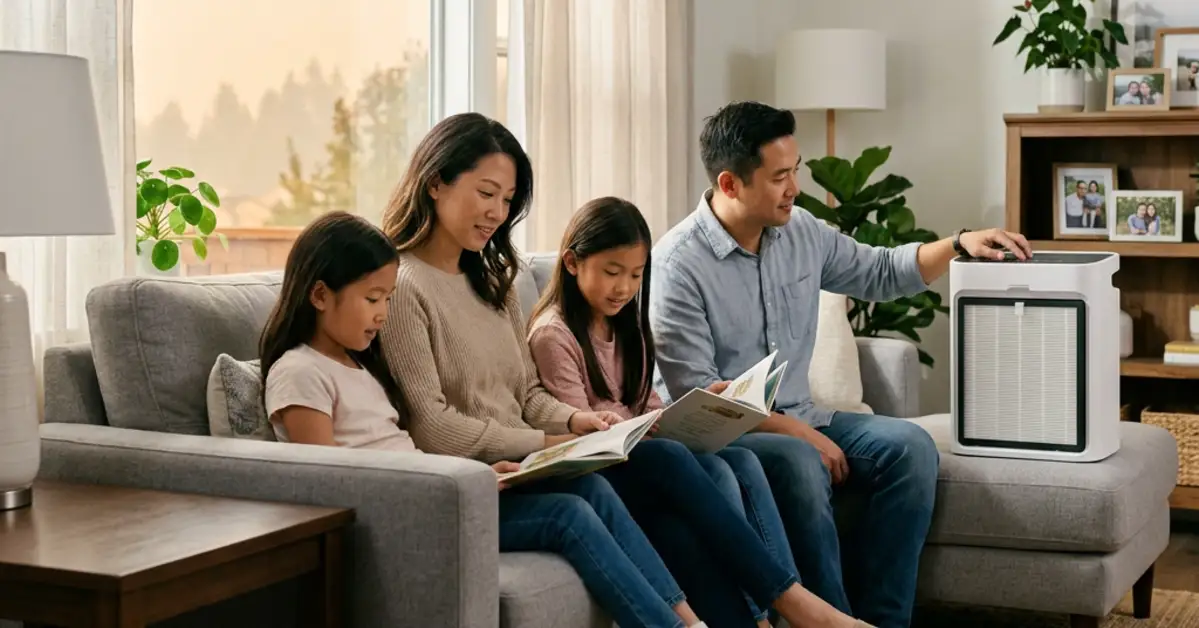
Integrating technology that monitors indoor air quality can provide additional peace of mind. Available as separate devices or built into some air purification systems, these monitors offer insight into particulate levels within the home, enabling you to adjust the usage of HEPA units and HVAC settings efficiently. Some advanced models offer remote monitoring and alerts, keeping you informed even when away from home.
Understanding the severity of wildfire smoke can help respond appropriately. Smoke consists of a complex mixture of gases and fine particles produced from burning vegetation, building materials, and other substances. The particles in wildfire smoke can be particularly harmful as they are tiny enough to be inhaled deep into the lungs, potentially causing respiratory issues or exacerbating pre-existing conditions.
Combining preventive measures with natural solutions can also be beneficial. Incorporating greenery indoors can help improve air quality through natural filtration—plants like the spider plant, snake plant, and peace lily are known for their air-purifying properties. While the effect is minimal compared to HEPA filters, plants also offer an aesthetic and psychological boost during stressful times.
By taking these steps, individuals can significantly improve the air quality within their homes during wildfire season, creating a safe and healthy refuge from the outdoor elements. Coupled with continual monitoring and the adaptive use of climate control systems, these efforts form a robust strategy to protect respiratory health over extended periods of poor outdoor air quality.
In conclusion, staying informed and taking the necessary measures facilitates a proactive approach to maintaining indoor air quality during wildfire season. The combination of HEPA units, effective indoor air management, and continuous monitoring of AQI levels helps create an air haven, ensuring wellness and reassurance for you and your loved ones.