Creatine is a compound that has gained significant popularity in the world of sports and fitness due to its well-documented benefits for muscle growth and improved performance. However, the potential benefits of creatine supplementation extend beyond enhancing athletic performance. Emerging research is beginning to uncover intriguing possibilities for its use in brain health and cognitive function. This article aims to explore the broader implications of creatine use, delving into the latest research that examines how this compound may support brain health and cognitive abilities.
At its core, creatine is a naturally occurring compound found in small amounts in certain foods such as meat and fish, and it can also be synthesized in the liver, kidneys, and pancreas. Within the body, creatine is primarily stored in the muscles, where it plays a crucial role in the production of adenosine triphosphate (ATP), the primary energy currency of the cell. While its role in muscle energy production is well understood, researchers are now turning their attention to how creatine operates within the brain.
The human brain, albeit only representing around 2% of total body weight, demands approximately 20% of the body’s energy production in a resting state, which highlights the importance of efficient energy metabolism for optimal cognitive function. The brain’s high energy demands are driven by a myriad of functions it governs, including movement, thought processes, memory retention and recall, and the regulation of mood and emotions. Given creatine’s vital role in energy metabolism, researchers hypothesize that it might also perform crucial functions in maintaining and optimizing brain energy levels.
One area of interest is creatine's potential neuroprotective properties. The brain, like muscle, requires significant amounts of ATP to function optimally. Studies suggest that creatine supplementation might help enhance the availability of ATP in the brain, thereby possibly supporting cellular energy deficits often observed in neurodegenerative conditions. For instance, preliminary research is investigating whether creatine supplementation could be beneficial for conditions like Parkinson’s and Huntington’s disease, although further studies are necessary to better understand any therapeutic potential.
Moreover, creatine is being studied for its potential role in ameliorating cognitive decline associated with aging. Some studies have begun investigating whether creatine supplementation in older adults may support cognitive performance, potentially aiding in tasks that require working memory, intelligence testing, and processing speed. While more exhaustive, longitudinal studies are necessary to confirm these findings, initial research offers a glimmer of hope that creatine could be an affordable and accessible means to sustain cognitive function in advanced age.
In addition to aging-related cognitive decline, attention has been devoted to creatine's impact on cognitive performance under stress. Mental stressors such as sleep deprivation and intense mental tasks can deplete brain energy stores, leading to cognitive fatigue. Some studies have suggested that creatine supplementation might prolong peak mental performance even when individuals are subjected to psychophysiological stressors. By ensuring the consistent availability of ATP, creatine might bolster the brain’s resilience to stress, potentially sustaining mental acuity and performance under challenging conditions.
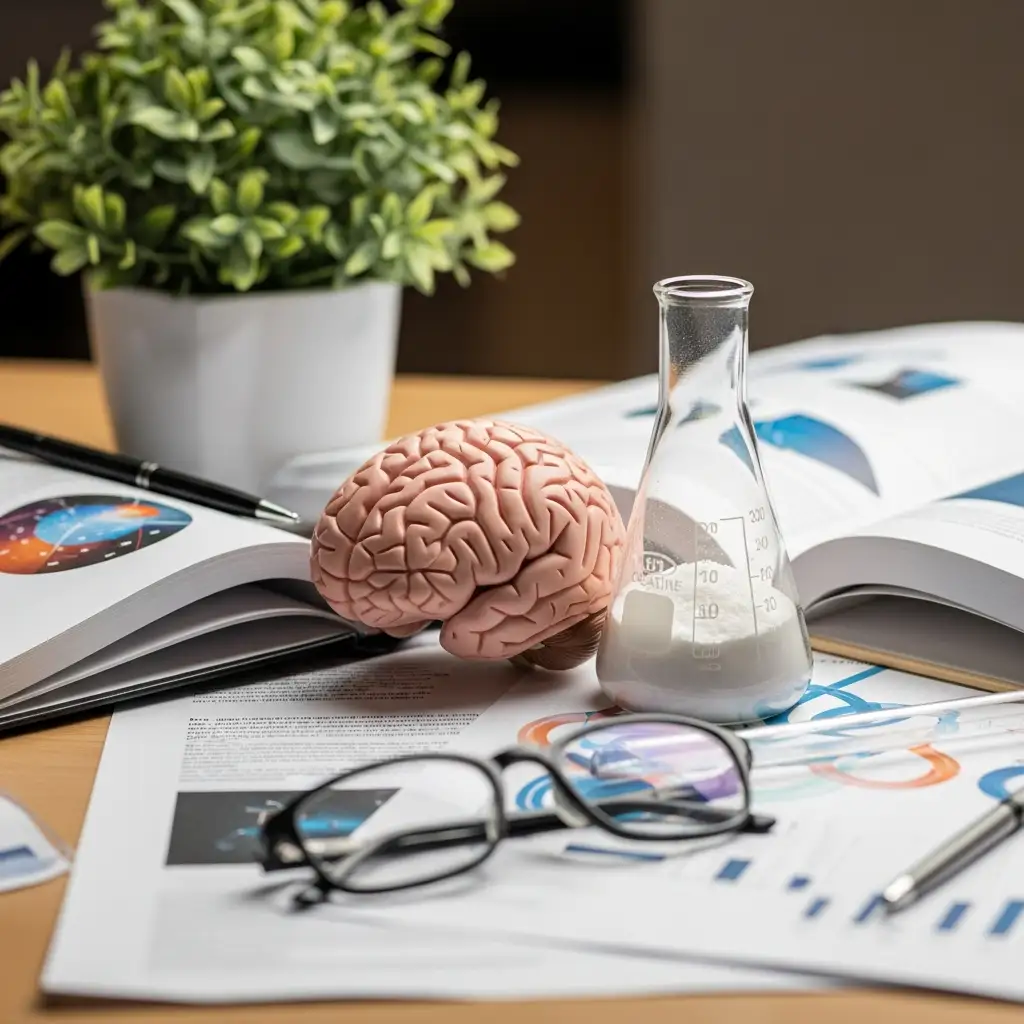
The interest in creatine’s cognitive applications also stretches into psychiatric settings, particularly with regard to mood disorders like depression. Initial research suggests that creatine supplementation may have a positive impact on mood stabilization and the improvement of depressive symptoms. While precise mechanisms remain to be fully elucidated, one hypothesis is that enhanced brain energy availability could positively influence mood regulation. Though findings are promising, larger clinical trials are needed to comprehensively assess creatine’s effectiveness as an adjunct treatment in mood disorders.
Scientists are also examining creatine’s potential for enhancing mental performance in healthy individuals. Some small-scale studies have noted an improvement in cognitive tasks that demand short-term memory, spatial reasoning, and mental processing after creatine supplementation in otherwise healthy adults. However, results vary greatly, and more extensive research is essential to understand the exact population that might benefit from such supplementation and under what conditions.
While the evidence regarding creatine supplementation's role in brain health and cognitive function is still emerging, it is crucial to approach this topic with a nuanced understanding, recognizing the complexity of both cognitive function and nutritional supplementation. The existing body of research often consists of small, varied studies frequently involving different methodologies and outcome measures. Thus, the identification of creatine’s definitive role and its practical applications requires further rigorous research.
Moreover, while creatine is generally considered safe for short- to medium-term use in recommended dosages, long-term effects have yet to be fully explored. Individuals considering creatine supplementation for cognitive purposes should consult healthcare providers, particularly if they have pre-existing health conditions or are taking other medications.
Advancements in science continue to shed new light on traditionally understood compounds, expanding our understanding of how they may benefit the body in various dimensions beyond their initial applications. Continual research into creatine’s broader potential could open new pathways for the prevention and management of cognitive decline as well as offer novel perspectives on enhancing overall brain health.
Creatine, often associated with athletic prowess, is increasingly being viewed as a potential ally in our quest for enduring cognitive resilience. While the future of creatine research holds many questions, it also offers tremendous opportunities for enhancing our understanding of brain metabolism, with the ultimate goal of improving quality of life across various age groups and clinical conditions. As the story of creatine unfolds, the hope is that this once-insignificant micronutrient will reveal broader applications both within and beyond the field of neuroscience.