The art of digestion is a delicate and essential process, one that people have been attempting to optimize for centuries. Today, many individuals seek out methods to enhance their digestive health and alleviate discomfort, particularly after meals. One accessible and beneficial practice is the post-meal walk — a simple, low-intensity activity that can offer various digestive and metabolic benefits.
After we eat, our bodies quickly embark on the complex journey of breaking down, absorbing, and assimilating nutrients. The stomach and intestines work diligently to process the food, yet sometimes, discomfort such as bloating, gas, and even general sluggishness can occur. A short walk after meals, typically about 10 minutes, might serve as a gentle way to assist your body during this intricate digestive phase.
Physical digestion requires movement within the gastrointestinal tract to effectively process the foods we consume. Notably, walking acts as a natural stimulant for peristalsis, the waves of muscular contractions that push food through the digestive system. These contractions help accelerate the movement of gas and food waste, decreasing the chances of bloating and easing that unpleasant feeling of fullness. By promoting regularity, a post-meal walk can ensure things move smoothly through the pipes, so to speak.
Additionally, beyond aiding mechanical digestion, walking has positive effects on the metabolic processes intimately tied to nutrient absorption. During and after a meal, the body experiences fluctuations in glucose levels as carbohydrates are broken down. Engaging in light physical activity such as walking can enhance the body's insulin sensitivity. This means that the body becomes more responsive to insulin, the hormone responsible for regulating blood-glucose levels. As a result, glucose absorption becomes more stable, which can prevent the rapid spikes and crashes associated with energy slumps or cravings.
Walking also encourages the body to utilize glucose more efficiently. Muscles become more apt to take in glucose and use it for energy, rather than leaving it to potentially be stored as fat in the liver and adipose tissue. This metabolically favorable environment not only improves energy levels but can also be a proactive approach to long-term health, potentially mitigating the risk of developing insulin resistance and subsequently, type 2 diabetes.
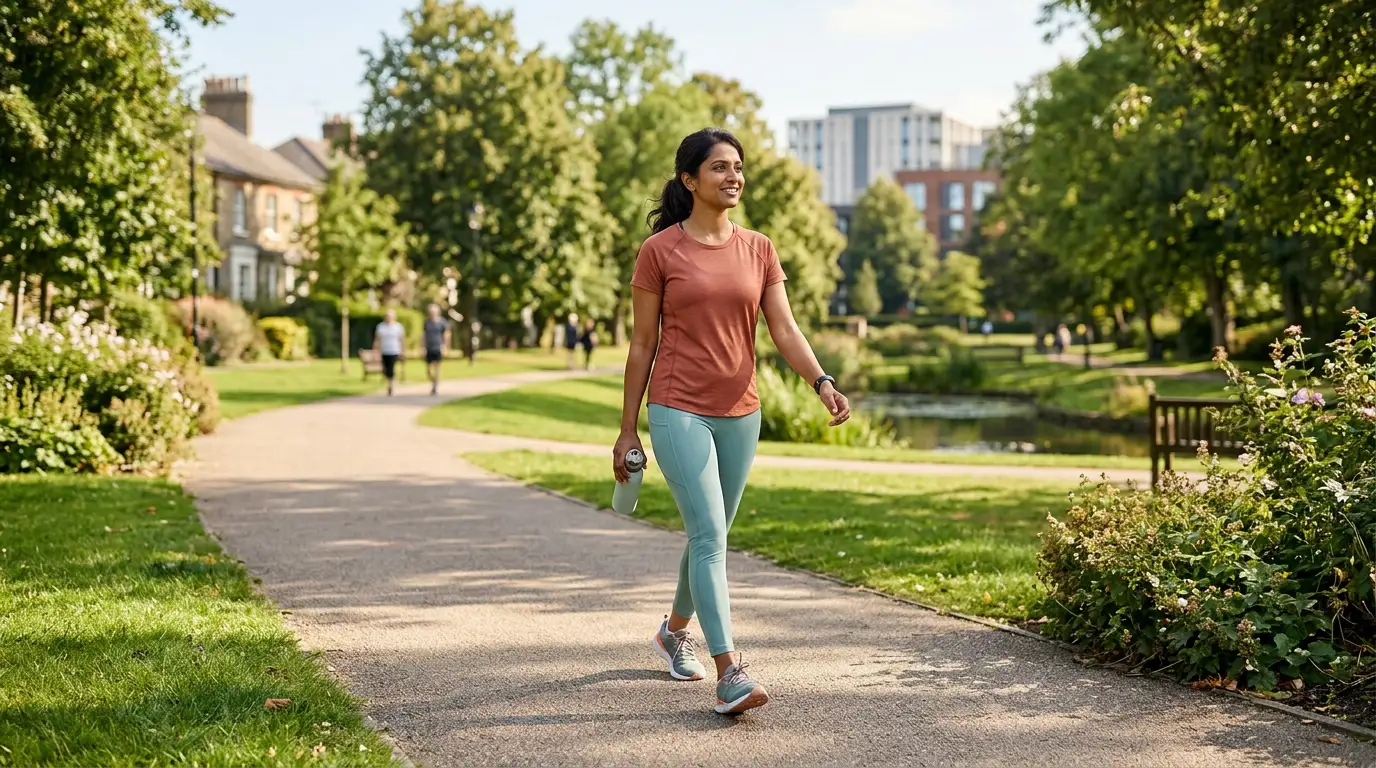
Moreover, the mind often sits at the heart of many digestion issues, and this is another realm where a post-meal walk can have profound implications. The very act of walking can serve as a form of moving meditation, allowing the mind to relax, unwind, and reduce stress levels — a common trigger for digestive woes. This easing of mental tension can also translate into reduced intestinal distress, offering relief from symptoms like bloating and cramps that stress may exacerbate.
Beyond the immediate physical and mental benefits, cultivating the habit of walking after meals can foster a holistic approach to lifestyle enhancement. By choosing to walk, individuals open the door to more opportunities to observe and celebrate their environments, engage with neighbors, or simply enjoy a moment of peace and reflection. This can contribute to overall well-being and happiness, which are just as vital to digestion as the physical processes themselves.
Implementing a short post-meal walk into your routine requires minimal effort and no specialized equipment. Start with a manageable distance and pace; a leisurely stroll is often sufficient to activate the positive mechanisms discussed. It can be undertaken alone, with family, or in company, adding a social dimension that can make this habit even more enjoyable. Whether you walk indoors or outdoors, the focus should remain on creating a space for gentle, mindful movement.
In conclusion, while a post-meal walk may seem like a small lifestyle adjustment, its potential benefits to digestion, glucose regulation, and overall wellness are significant. It embodies a philosophy where incremental changes can lead to profound improvements in health and quality of life. Adopting such practices fosters not only a healthier physical state but also a more mindful and balanced approach to living. Though individual results can vary, the consistency of walking post-meal as an aid to digestion and a warrior against abdominal discomfort remains a practical, accessible, and educational endeavor for anyone interested in enhancing their digestive health.