In our everyday lives, we are surrounded by countless products that make use of plastics, and while they offer convenience, they also contribute to a pervasive issue—microplastics. Microplastics are small plastic pieces that can find their way into natural ecosystems from both primary sources like cosmetics and industrial processes and secondary sources like the breakdown of larger plastic items. As public awareness of microplastics grows, there is a rising interest in finding ways to reduce exposure to these minuscule particles. Fortunately, even small changes in our daily routines can help minimize this exposure.
One of the simplest habits to adopt is to re-evaluate the materials we use in our kitchens, starting with cutting boards. While plastic cutting boards are popular due to their affordability and perceived cleanliness (as they can be popped into the dishwasher), they are not ideal from a microplastic perspective. Over time, cutting on plastic boards creates grooves, which increase the risk of small shards of plastic finding their way into food. Opting instead for wooden or bamboo cutting boards can significantly reduce this risk. Wood and bamboo are durable and naturally resistant to bacteria, making them not only a safer choice for you and the environment but also potentially healthier in the long run.
Another significant change you can make at home is how you heat your food. When plastic containers are heated, they can release microplastics and other chemicals into the food. Switching to glass or ceramic dishes for your heating needs is a safer alternative. Both glass and ceramic are stable at a variety of temperatures and don’t leach harmful chemicals as plastics do. By making a conscious shift to heat food only in glass or ceramic containers, there is a notable reduction in potential chemical exposure, and these materials are often more durable over time.
Addressing our water consumption through basic purification methods is another effective strategy. Water can be a source of microplastics, and one of the best ways to ensure that your drinking water is free from these particles is to use a reverse-osmosis water system. While more advanced filtration systems are available, a basic reverse-osmosis system is quite effective at filtering out microplastics from tap water. These systems operate by forcing water through a semi-permeable membrane that can remove a wide range of contaminants. The benefit of a reverse-osmosis system is two-fold: you not only reduce your intake of microplastics but also improve overall water quality, which can be beneficial to both health and taste.
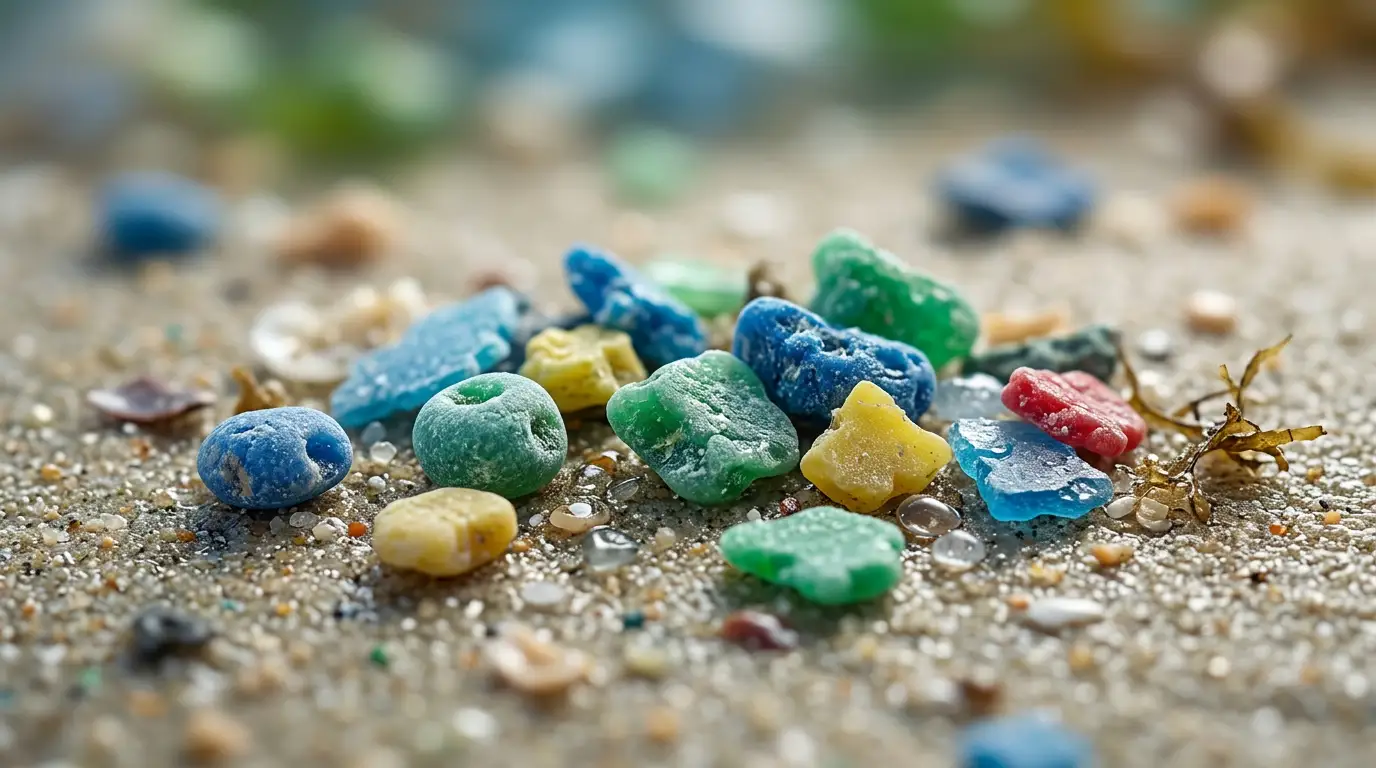
In addition to these three main strategies, there are other complementary practices that can be easily adopted. It's beneficial to minimize the use of single-use plastics—simple changes like bringing your own reusable bags and water bottles are small steps that collectively contribute to a larger impact. By choosing reusable options, you reduce the amount of plastic waste generated and consequently lower the overall demand for plastic production. When considering care for clothing, synthetics like polyester and nylon are another potential source of microplastics. Utilizing a garment bag designed to capture microfibers during washing can help mitigate their release into the water system.
Finally, becoming more informed about product ingredients and their packaging is invaluable. Many personal care products and cosmetics contain microplastics as exfoliants or stabilizing agents. By selecting products labeled as “microplastic-free” or opting for more natural alternatives, you can limit exposure to microplastics while encouraging industry changes through consumer demand.
Making a conscious effort to reduce microplastic exposure through simple lifestyle adaptations creates an environment that is not only beneficial to our personal health but also supportive of a more sustainable planet. Even just a few adjustments made consistently over time can leave a considerable impact. Navigating this challenge doesn’t require drastic life changes; rather, it’s about making informed and deliberate choices day by day. By taking these steps, you join a larger movement advocating for a cleaner, safer environment for current and future generations.