Cold exposure therapy, commonly known as ice baths, has garnered significant attention as a potential method to enhance physical recovery and improve overall health. Athletes and fitness enthusiasts often use ice baths as part of their training regimen, but what does scientific research say about the benefits and efficacy of this practice? This article delves into the science behind cold exposure therapy, exploring how it can influence the body, the physiological mechanisms involved, and what studies have revealed about its applications in recovery.
The concept of using cold exposure to aid recovery is not new. Historically, various cultures have utilized cold water for its purported health benefits. In modern times, ice baths have become a widespread practice, especially among athletes looking to shorten recovery time after intense physical exertion. But to understand the efficacy of ice baths, it is essential to explore the physiological changes that occur when the body is exposed to cold temperatures.
When a person immerses themselves in cold water, several immediate physiological responses are triggered. The body's initial reaction is vasoconstriction, where blood vessels become narrower to preserve core body temperature, redirecting blood flow from the extremities to vital organs. This constriction helps reduce swelling and inflammation by limiting the accumulation of fluids in tissues, a common occurrence following intense exercise or injury.
Another immediate effect of cold exposure is the numbing sensation that can alleviate pain. Cold water immersion decreases the nerve conduction velocity, effectively reducing the sensation of pain and discomfort. This can be particularly beneficial for athletes dealing with muscle soreness after a workout. By temporarily dulling the pain signals, ice baths can provide a sense of relief and allow for more extended periods of activity and recovery.
Furthermore, ice baths may have a beneficial effect on the inflammatory response. Exercise often results in microtrauma to muscle fibers, leading to inflammation as part of the body's natural repair process. While inflammation is necessary for healing, excessive or prolonged inflammation can hinder recovery. Cold exposure has been suggested to modulate inflammatory cytokines, potentially reducing prolonged inflammation and aiding in quicker recovery.
One notable physiological change during cold exposure is its impact on metabolism. The body works to maintain its core temperature in response to the cold, increasing metabolic rate in the process. This heightened metabolic activity is due to thermogenesis, where the body generates heat to counteract the cold environment. This increase in metabolic rate can lead to a temporary boost in calorie expenditure, although it is not a substitute for consistent exercise and a balanced diet for weight management.
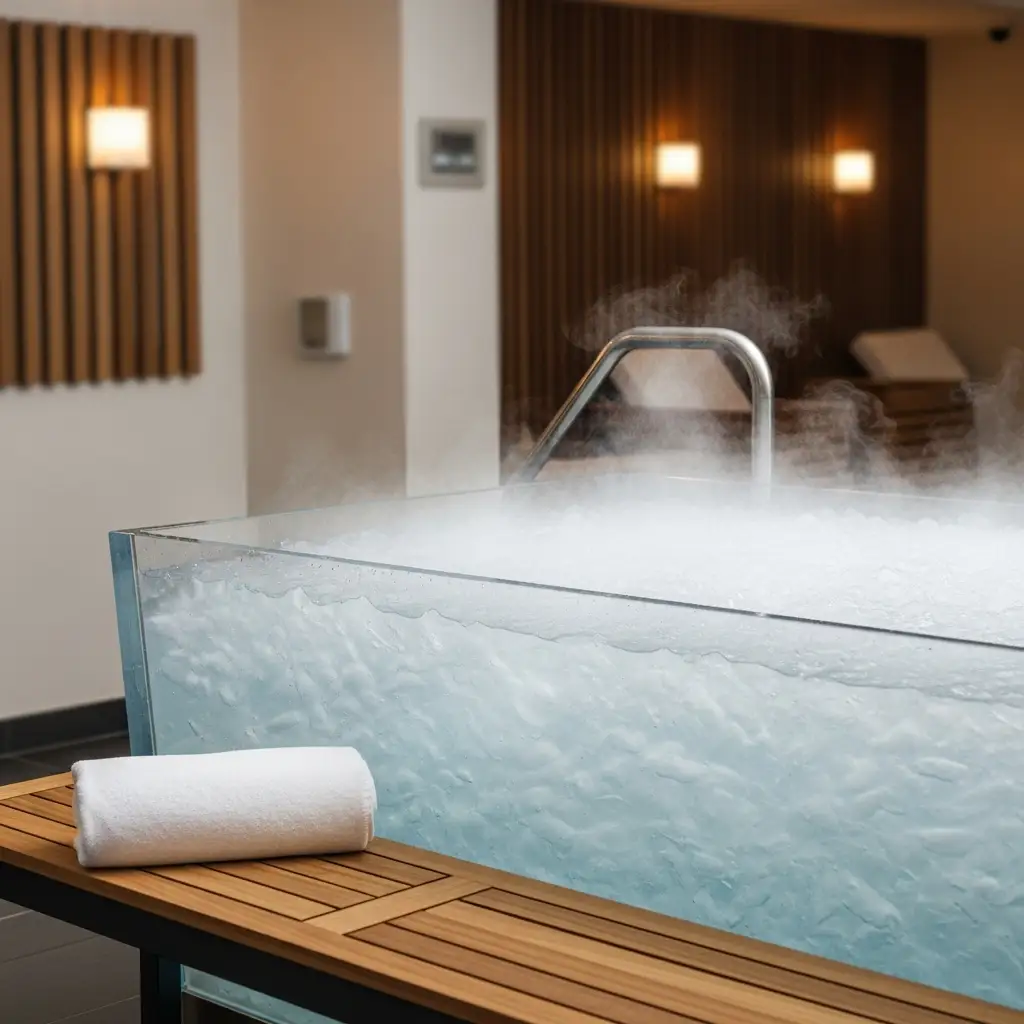
The influence of cold exposure on muscle recovery has been the subject of numerous scientific studies. A systematic review published in the journal "Sports Medicine" analyzed multiple studies on the effects of cryotherapy, including ice baths, on muscle recovery post-exercise. The review found that cold exposure could help reduce delayed onset muscle soreness (DOMS) in the short term and improve muscle function recovery. However, the results varied based on the protocol used, such as the temperature of the water, duration of immersion, and the specific timing post-exercise.
Despite some positive findings, research on cold exposure therapy is not without its limitations and discrepancies. Some studies have found little to no significant long-term benefits of ice baths when compared to warm-water immersion or active recovery. These differences highlight the need for further research to determine the optimal conditions for cold exposure therapy and its effects on different populations and types of exercises.
In addition to immediate physical effects, cold exposure has been studied for its potential impact on mental health and overall well-being. The practice is believed to stimulate the production of neurotransmitters such as norepinephrine, which can enhance mood and cognitive performance. This mood-enhancing effect might contribute to the subjective feelings of well-being often reported by those who regularly partake in cold exposure therapy.
Regarding safety, cold exposure therapy is generally considered safe for most individuals when performed correctly. However, it is essential to approach this practice with caution, particularly for individuals with underlying health conditions such as cardiovascular issues. Cold water immersion can increase cardiac workload, posing potential risks to those with heart-related conditions. Therefore, consulting a healthcare professional before incorporating ice baths into a recovery routine is recommended.
The debate over the efficacy of ice baths remains ongoing, with continued research needed to fully understand their role in recovery and health optimization. As with many health practices, individual responses to cold exposure therapy can vary significantly, influenced by factors such as personal tolerance, previous experience, and the specific goals of recovery.
In conclusion, cold exposure therapy, particularly in the form of ice baths, presents an intriguing area of research in sports science and recovery. While some studies support its short-term benefits in reducing muscle soreness and inflammation, the broader implications on long-term recovery and performance warrant further investigation. As research progresses, more definitive guidelines may emerge to help individuals harness the potential benefits of cold exposure therapy safely and effectively.