In today’s fast-paced world, the way we eat has dramatically evolved, primarily influenced by convenience and accessibility. As we navigate the vast array of food choices, it's beneficial to understand the spectrum of food processing, which ranges from whole foods to ultra-processed foods. This distinction not only helps in making more informed food choices but also aids in aligning your diet with your vitality goals.
Let's begin by exploring what whole foods are. Whole foods are as close to their natural form as possible, with minimal to no processing. They include fruits, vegetables, whole grains, nuts, seeds, and animal products like eggs, milk, and unprocessed meats. These foods are rich in nutrients, fibers, and healthy fats, which are integral to maintaining your body's health.
Whole foods often undergo minimal processing like washing, peeling, or cutting. Such treatments do not deplete their natural nutritional profile significantly. Because they retain most of their original nutrients and fibers, whole foods can support your energy levels, digestion, and overall vitality. Including a variety of these in your diet ensures a range of essential vitamins, minerals, and antioxidants, all contributing to sustained well-being.
On the other end of the food processing spectrum, we have ultra-processed foods. These are products that have undergone multiple processing stages and include ingredients such as sweeteners, flavor enhancers, preservatives, stabilizers, and other additives. Ultra-processed foods are typically engineered for taste and convenience. They include items like sugary snacks, instant noodles, frozen meals, and soft drinks.
While ultra-processed foods can be part of a busy lifestyle thanks to their convenience, they often lack the nutritional density found in whole foods. The extensive processing can strip away many beneficial nutrients and fibers, leaving behind mostly calories devoid of added nutritional value. Though these foods can satisfy hunger and cravings, they may not support vitality in the same manner as whole foods do.
Understanding this spectrum isn't about vilifying one and glorifying the other. Rather, it's about understanding the potential impact of different types of foods on our day-to-day health and energy levels. Many people find that incorporating more whole foods into their diet helps boost their vitality and supports overall well-being. This can be an empowering shift, providing your body with nutrient-rich fuel that enhances performance and recovery.
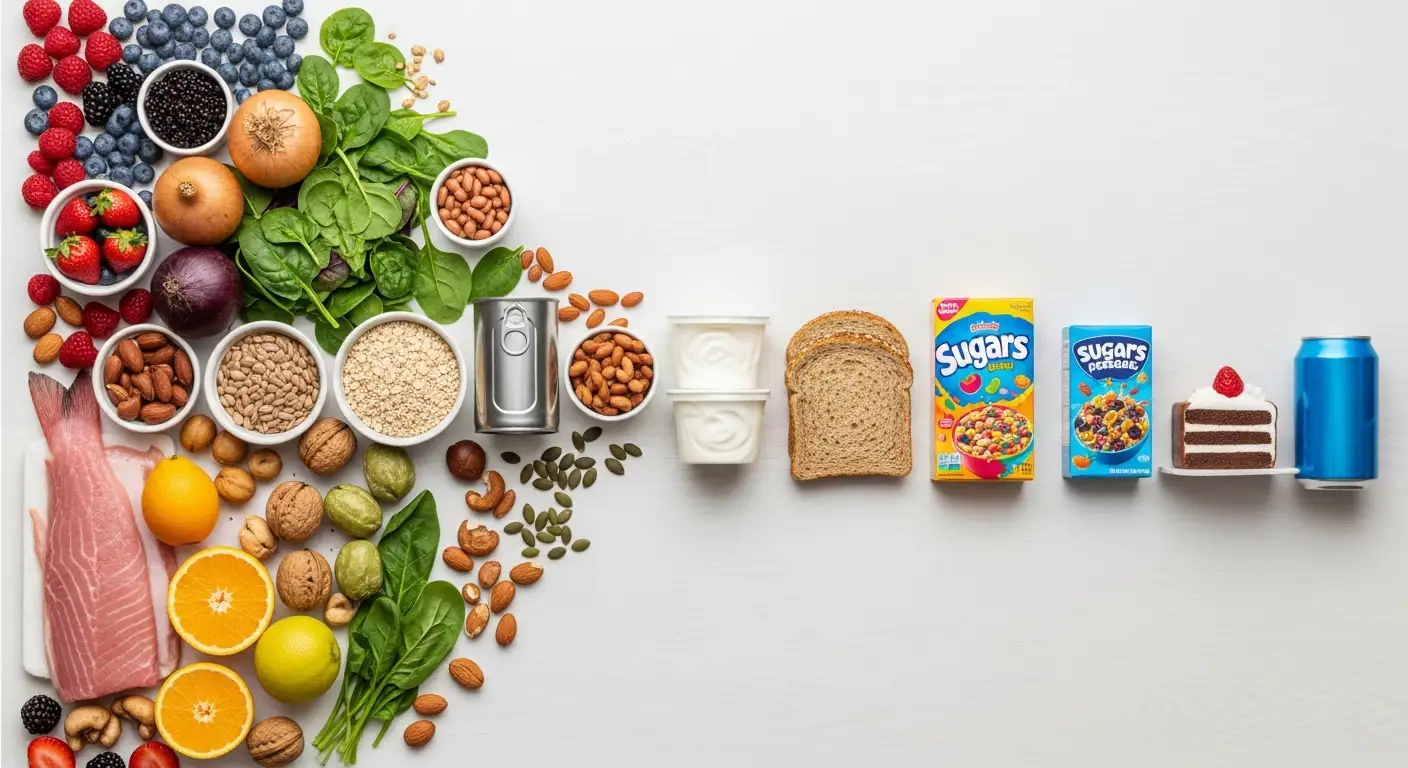
To begin adding more single-ingredient foods to your routine, consider making small, manageable changes. You might start by substituting refined grains with whole grains. For instance, try replacing white rice with brown rice or whole grain pasta. Similarly, incorporating a variety of colorful vegetables in meals not only makes your plate visually appealing but also enhances the nutrient intake.
Moreover, embracing whole fruits instead of fruit-flavored snacks can make a significant difference. Whole fruits come packed with vitamins, fibers, and natural sweetness, whereas fruit snacks often contain added sugars and fewer vitamins. Snacking on a whole apple rather than apple-flavored gummies, for example, can provide your body with wholesome nutrition and sustained energy.
Another approach to reducing the intake of ultra-processed foods is to prepare meals at home more often. Home-cooked meals allow you to control the ingredients and the amount of processing involved. Experiment with simple recipes that utilize whole foods like fresh or frozen vegetables, lean proteins, and whole grains. You might find this not only supports your health goals but also becomes an enjoyable and rewarding experience.
Additionally, reading food labels can raise awareness about the processing level of packaged foods. If a product's ingredient list includes numerous substances you don't recognize or can't easily pronounce, it might be heavily processed. Using this simple practice can help guide healthier choices while balancing the convenience of packaged foods with the benefits of whole foods.
While it's perfectly fine to enjoy ultra-processed foods occasionally, understanding their role in the overall dietary spectrum can promote more balanced eating habits. Strive for moderation, and where possible, aim to increase the proportion of whole foods in your meals as a step towards nourishing your vitality.
In closing, the spectrum of food processing highlights the diversity of choices available to us and the impacts they can have on our daily energy and long-term health. By being mindful of the types of foods we consume and gradually shifting towards more whole foods and less processed ones, we can foster a healthier lifestyle that supports vitality and well-being. The choice of food, when informed and balanced, becomes not just a necessity, but a foundation of living life with energy and enthusiasm.