Imagine a world where a simple blood test can help detect multiple types of cancer early on, even before you experience any symptoms. This is the promise of multi-cancer blood tests, an area of research and development that is gaining significant attention. These tests, also known as liquid biopsies, have the potential to transform the way we screen for cancer, moving beyond the traditional focus on single cancer types to a more comprehensive approach. But how exactly do these tests work, and what makes them a potential game-changer in cancer diagnostics?
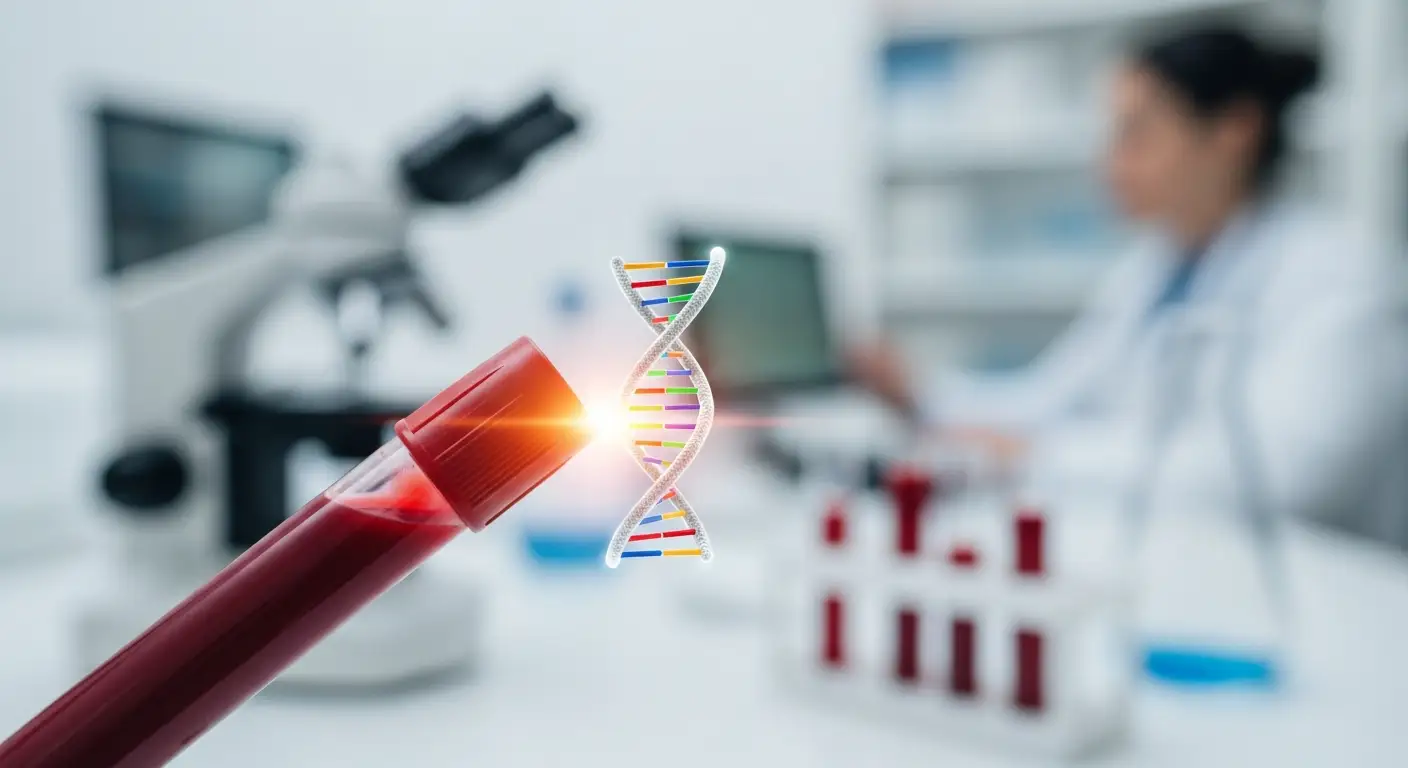
At the heart of multi-cancer blood tests is the concept of a liquid biopsy. Traditionally, a biopsy involves taking a tissue sample from the body to look for signs of cancer. This process can be invasive and is usually carried out when there's already a suspicion of a tumor. In contrast, a liquid biopsy is far less invasive and involves drawing a small amount of blood from a patient. This blood sample is then analyzed for tiny fragments of DNA that tumors may shed into the bloodstream. By examining these pieces of DNA, scientists can look for genetic mutations and other markers that are indicative of cancer.
One of the primary advantages of liquid biopsies is their simplicity and convenience. They only require a blood draw, which can be done easily in a doctor's office or clinic. This makes them much less daunting for patients compared to traditional tissue biopsies, which often require surgery or other invasive procedures. Moreover, because the blood test can detect fragments of DNA from multiple tumors, it offers the possibility of screening for several types of cancer at once, potentially catching illnesses earlier than current methods.
The technology behind liquid biopsies involves several sophisticated techniques. One common approach is to use next-generation sequencing (NGS), a technology that allows scientists to read and analyze the genetic material in a blood sample. This process can identify specific mutations or changes in the DNA that might suggest the presence of cancerous cells. Additionally, advanced bioinformatics tools are used to interpret the large amount of genetic data generated during the sequencing process, helping to pinpoint potential cancer signals.
Another approach leverages the concept of epigenetics, which refers to modifications in gene activity that don't involve changes to the underlying DNA sequence. Some liquid biopsy tests look for specific patterns of DNA methylation—a chemical change to DNA that can turn genes on or off—which are known to be associated with various cancers. By focusing on these epigenetic changes, scientists can gain additional insights into whether cancer might be present and what type it could be.
The development of multi-cancer blood tests is indeed a complex process, and it involves collaboration across multiple disciplines, including oncology, genetics, biochemistry, and computational biology. Researchers and clinicians work together to validate these tests, ensuring their accuracy and reliability. Rigorous clinical trials are required to establish how well these tests perform in detecting cancer early and to understand any limitations they may have.
Moreover, these tests are often designed to complement, rather than replace, existing screening methods. For instance, they may be particularly useful for individuals at higher risk of developing cancer or for those who require more frequent monitoring. By providing additional information, multi-cancer blood tests can help shape a person's overall screening strategy and aid in early intervention, which is often crucial for successful treatment.
An important aspect to consider is the interpretation of the results. Positive signals from a multi-cancer blood test would generally prompt further investigation through more specific diagnostic techniques, such as imaging or traditional biopsies, to confirm the presence and location of a tumor. As such, these tests are one piece of the diagnostic puzzle, contributing to a more comprehensive assessment of an individual’s health.
Given the potential benefits, there's considerable excitement around the future of multi-cancer blood tests. However, it's also recognized that these tests are still an emerging technology, and ongoing research is essential to refine their algorithms, improve their sensitivity and specificity, and ensure they are accessible to the populations that would benefit most. As advancements continue, these tests could play an increasingly important role in public health, offering an innovative tool to help detect cancer earlier and improve outcomes for many individuals.
To sum up, multi-cancer blood tests represent a promising advancement in the field of cancer detection. By utilizing liquid biopsy technology, these tests offer a minimally invasive way to screen for multiple types of cancer through a simple blood draw. While still under development and study, the integration of these tests into regular medical practice holds the potential to change the landscape of cancer diagnostics, leading to earlier detection and better personalized treatment strategies. As research progresses, we may see these tests becoming a routine part of healthcare, leading to improved patient outcomes and a new era in early cancer detection.