As smart home technology continues to advance, homeowners are exploring various ways these innovations can benefit their daily lives. One area garnering particular interest is how smart home devices might influence their home insurance premiums. Could employing gadgets like smart water-leak detectors, security systems, or fire alarms potentially lead to savings? Let's delve into how these devices are typically viewed by insurance companies and how they might play a role in your insurance premium calculations.
Home insurance companies are in the business of managing risk. They evaluate the potential for damages or claims on a property when determining premium costs, and any tool or device that can mitigate risk is likely to capture their interest. This is where smart home devices come into play. These gadgets are designed not just to make life more convenient, but to also enhance home safety and security, potentially reducing the risks that insurers are concerned about.
Smart water-leak detectors, for example, are a relatively simple piece of technology but can play a significant role in preventing water damage—one of the most common and costly claims for homeowners. These detectors alert homeowners at the first sign of a leak, often before significant damage occurs. By addressing a water problem early, homeowners can prevent the extensive and expensive damage that a prolonged leak might cause. Insurance companies recognize this preventive aspect and may view homes with such systems as less risky, potentially reflecting in their premium assessments.
Similarly, smart home security systems offer surveillance, motion detection, and alerts that can help deter burglaries. Homes equipped with these technologies may be less appealing to would-be burglars, reducing the likelihood of break-ins. Some systems even offer emergency response features, such as automatically contacting the authorities if a break-in is detected. For insurance companies, homes with robust security systems may be seen as lower risk since the potential for theft-related claims is diminished.
Another key feature in the smart home arsenal for risk management is the smart smoke and carbon monoxide detector. These devices go beyond traditional alarms by offering features such as smartphone notifications and connections to monitoring services. This means that in the event of a fire or carbon monoxide leak, the homeowner is immediately informed, even if they're not at home, allowing for quicker responses and potentially less damage.
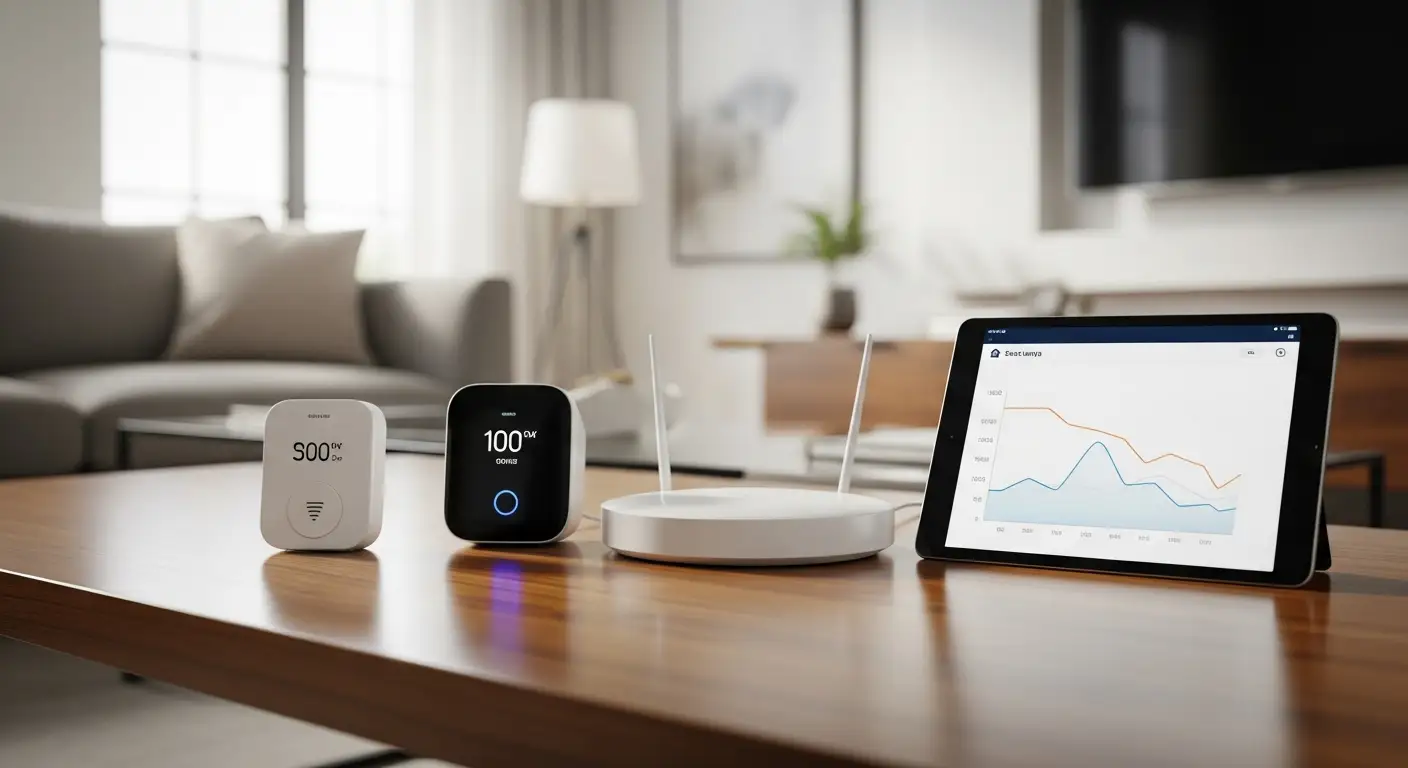
In addition to these specific devices, smart home technology as a whole can offer significant data about a home's safety profile. Insurance companies might use data on device usage trends to better assess the actual risks associated with the property. Homeowners who invest in smart technology are also often more engaged in the management and maintenance of their homes, leading to more proactive measures to prevent damage.
However, the integration of smart home devices into insurance risk assessment is relatively new and varies by company. While some insurers explicitly offer discounts for homes equipped with these devices, others might not formally recognize the technology, possibly due to the varied effectiveness and reliability of certain products or privacy considerations related to data sharing.
Additionally, there are implications for data privacy that could potentially be a concern both for homeowners and insurers. Some individuals might be hesitant about sharing data from their smart home devices, fearing breaches or misuse of their personal information. Insurers, on their part, must balance the benefits of having access to detailed data against the responsibility of maintaining this data securely.
Moreover, while some insurers have begun to reward proactive homeowners by offering discounts for smart device installations, it's essential for homeowners to proactively communicate and confirm potential savings with their insurance providers. The approach can differ significantly from one company to another and might depend on the specific devices installed and how they are monitored.
In conclusion, while smart home devices have the potential to impact insurance premiums, the extent to which they do varies widely. Insurers are likely to continue developing their approaches as smart technology becomes more prevalent and its effectiveness better documented. For homeowners, staying informed about new developments and being proactive in managing their home's safety with smart devices could pay off—not only in terms of safety but also financial savings. As always, the best course of action is to have a conversation with your insurance provider to understand how your investments in smart technology can potentially translate to cost savings on your premiums.