In the realm of insurance, particularly property insurance, two terms often come into play when discussing the valuation of assets: Replacement Cost (RC) and Actual Cash Value (ACV). These two concepts are essential to grasp, as they significantly impact the amount one can receive from an insurance claim. Understanding the nuances between Replacement Cost and Actual Cash Value can help policyholders make informed decisions about their coverage and financial protection.
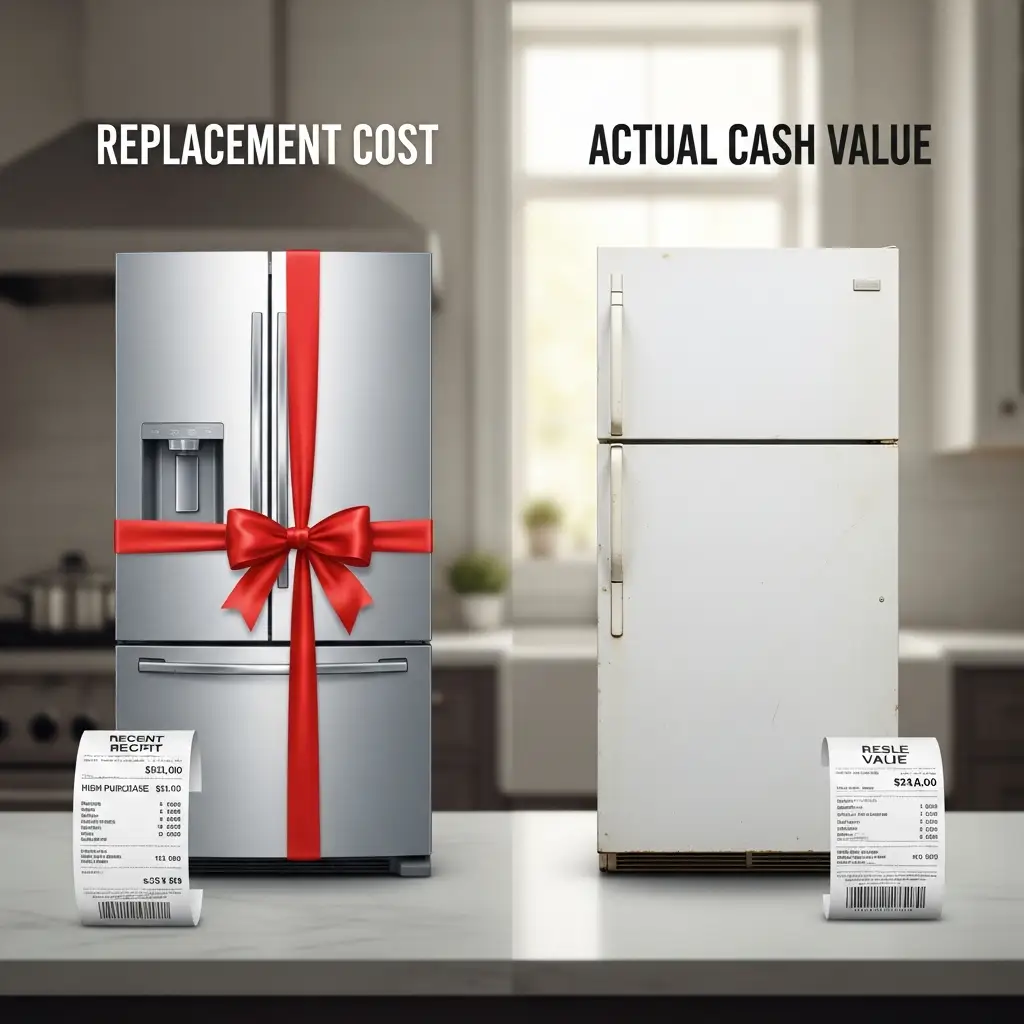
Replacement Cost is an insurance valuation method that refers to the amount required to replace an asset or property with another item of similar kind and quality, without considering depreciation. This method ensures that the policyholder is compensated for the full cost of rebuilding or buying a similar item at today's market prices. One of the essential aspects of Replacement Cost is that it aims to restore the policyholder's situation to what it was before the loss occurred, which can be particularly beneficial in maintaining financial stability after a disaster or loss.
On the other hand, Actual Cash Value takes depreciation into account when valuing an asset. It refers to the cost to replace an item, minus depreciation. Depreciation is the gradual decline in the value of an asset due to wear and tear, obsolescence, or age. Therefore, Actual Cash Value represents the item's current value at the time of the loss, reflecting the fact that most items lose value over time. For instance, a used five-year-old television would have a lower ACV than its original purchase price because its value has depreciated over time.
The primary difference between Replacement Cost and Actual Cash Value lies in how depreciation is treated. While Replacement Cost does not consider depreciation, ACV incorporates it. This distinction is crucial, especially when filing an insurance claim, as it can lead to significantly different reimbursement amounts. Replacement Cost coverage generally results in higher premium payments since it typically involves a larger payout from the insurer in the event of a loss. Conversely, policies based on Actual Cash Value might have lower premiums, but they often lead to lower claim payouts.
When deciding between these two valuation methods, policyholders should assess their specific needs and financial goals. Replacement Cost is often more suitable for those who want to ensure they can rebuild or replace lost or damaged property without incurring additional out-of-pocket expenses. It provides peace of mind, knowing that irrespective of the age or condition of the item at the time of loss, it can be replaced with a similar new item.
In contrast, Actual Cash Value may be appropriate for individuals who are comfortable with a lower payout in exchange for reduced insurance premiums. ACV might be preferred for items that are unlikely or costly to replace completely, such as older personal property where full replacement isn’t necessary. Additionally, for budget-conscious individuals, an ACV policy could allow for essential coverage without the higher costs associated with Replacement Cost policies.
It's also worthy to note that some insurance policies may offer a combination of both Replacement Cost and Actual Cash Value, depending on the nature of the item or property being insured. For instance, a homeowner’s policy might cover the dwelling at Replacement Cost while covering personal property within it at Actual Cash Value. This hybrid approach can strike a balance between comprehensive coverage and cost-efficiency.
The process of claiming under these two types of coverage can also vary. With Replacement Cost, policyholders may have to initially accept an ACV payout and then provide evidence of the actual amount spent on replacement to recoup the difference between the ACV and replacement cost. This often involves submitting receipts or invoices. Therefore, when opting for Replacement Cost, it's wise to be prepared for potential upfront expenses before receiving full compensation.
For policyholders with Actual Cash Value coverage, understanding depreciation calculations is vital. Depreciation rates can be influenced by various factors, including an item’s age, wear and tear, and technological advancements. Knowing how your insurance provider calculates depreciation can help manage expectations regarding claim payouts effectively.
Furthermore, it's important for consumers to regularly review their policies and ensure that coverage amounts reflect current market values, especially if they have Replacement Cost coverage. Keeping policies up to date can prevent shortfalls in coverage and ensure adequate protection in light of inflation and changing economic conditions.
In summary, understanding the difference between Replacement Cost and Actual Cash Value is fundamental for anyone holding an insurance policy. By grasping these concepts, policyholders can make informed decisions about their insurance coverage, reflecting their financial priorities and their need for protection. Whether opting for the comprehensive coverage of Replacement Cost or the cost-saving approach of Actual Cash Value, knowing the advantages and implications of each can lead to a more secure and manageable approach to managing risk and losses.