Telematics is an innovative technology that has been gaining traction in the world of auto insurance, offering a more personalized approach to determining insurance premiums. With the help of telematics, insurance companies can gather detailed insights into a driver's behavior, allowing for more accurate risk assessments. But how does telematics work in auto insurance, and what specific driving data does it measure? This article explores these questions and demystifies the technology behind telematics in auto insurance.
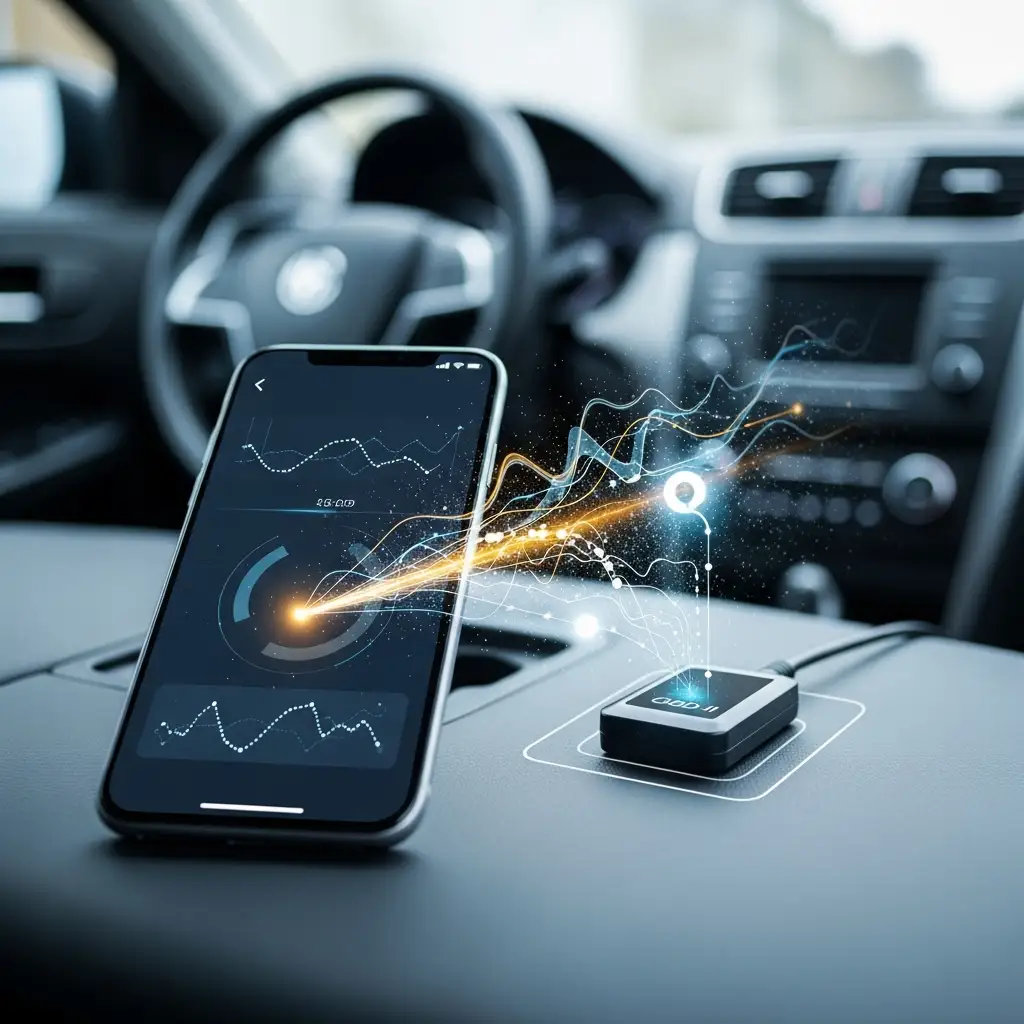
At its core, telematics is the blending of telecommunications and informatics. It utilizes a combination of GPS tracking, onboard diagnostics, and other wireless technologies to capture and transmit driving data. This technology is often installed in a car as a small device plugged into the onboard diagnostics port (OBD-II), or it may be seamlessly integrated into a smartphone app. Once installed, telematics systems start collecting data on various aspects of a person's driving behavior.
One of the primary functions of telematics in auto insurance is to monitor driving patterns. This includes tracking the time of day a vehicle is driven, as well as noting the routes taken. For example, if a driver frequently travels during rush hours or in areas known for heavy traffic, this data is recorded by the telematics device. By analyzing this information, insurance companies can better understand the potential risks associated with specific driving environments, since certain conditions may increase the likelihood of accidents.
Speed is another critical factor measured by telematics devices. They record how often a driver exceeds the speed limit and the extent to which they do so. Consistently driving above the speed limit may indicate a higher risk-taking behavior, which could be factored into an individual’s insurance quote. Some devices can also differentiate between instances where minor speeding occurs and situations where excessive speeding presents a significant risk.
Moreover, telematics systems are capable of monitoring vehicle handling and maneuvers. They can detect sudden acceleration, harsh braking, sharp cornering, and other abrupt vehicle movements. Such data points provide valuable insights into a driver’s style. Regular occurrences of harsh braking might suggest a tendency to follow other vehicles too closely or indicate a lack of anticipation in traffic situations. Each of these behaviors can contribute to an assessment of the drivеr’s skills and potential for accidents.
Telematics also measures the overall mileage driven. This data is crucial since the distance driven annually can directly correlate with risk exposure – the more time spent on the road, the higher the chance of being involved in an incident. Traditionally, insurers estimated mileage based on self-reported data, which can be inaccurate. Telematics removes this ambiguity by providing precise mileage readings.
Another important aspect that telematics can monitor is location and travel habits. While there are certainly privacy concerns, the location data collected by telematics can show insurance providers if a vehicle is predominantly used in safe areas or regions with higher crime rates. Understanding these travel patterns assists insurers in evaluating risk more effectively.
In addition to gathering data on the vehicle's movements and the driver’s habits, telematics can sometimes provide feedback to drivers in real-time. This immediate feedback is designed to help drivers recognize risky behaviors and make adjustments to improve safety. For example, if a driver habitually engages in hard braking, the telematics app may alert the driver with suggestions for smoother deceleration.
The data collected by telematics devices is typically transmitted to the insurance company via cellular networks or Wi-Fi, where it is analyzed using advanced algorithms. The goal is to paint a comprehensive picture of the driver’s road behavior over time. Based on this analysis, insurers can determine insurance premiums that reflect the driver’s actual level of risk more accurately than traditional methods permit.
Privacy and data security are paramount concerns when it comes to telematics. Insurance companies typically comply with stringent regulations to protect personal information. Nonetheless, it is vital for consumers to read the terms of service and understand how their data will be used and protected. Some telematics offerings allow users to control access to their data or opt-out of specific tracking features, offering a balance between data privacy and potential savings on premiums.
In conclusion, telematics in auto insurance is a sophisticated integration of technology aimed at refining the way insurance premiums are calculated. By delving deeper into a driver's habits and how they operate their vehicle, insurers can offer a fair and individualized insurance policy that closely aligns with the driver’s personal risk profile. Understanding the wide range of variables that telematics measures can provide drivers with an insightful perspective on how they might improve their driving habits, which can positively impact both safety and insurance costs.