The insurance industry has long been regarded as a bastion of conservative financial management, driven by actuarial science and the diligent mitigation of risk. However, insurers now face a dynamic challenge in how they approach the probability and impact of losses associated with homeowner policies due to climate change. As the frequency and severity of natural disasters increase globally, climate risk modeling is gaining traction as a pivotal tool that helps insurers more accurately evaluate and price these risks.
The term 'climate risk modeling' encompasses a variety of techniques and methodologies employed to predict future climate-related events and assess their potential impacts on insured assets. These models integrate data from diverse fields, including meteorology, oceanography, seismology, and hydrology, to forecast environmental changes and their probable financial ramifications. This process not only aids in understanding historical data but also assists insurers in adapting to unprecedented and evolving climate patterns.
By leveraging climate risk models, insurers gain enhanced insights into an array of factors that could potentially influence losses and premium calculations. For instance, the models consider variables such as rising sea levels, increased rainfall, wildfire prevalence, and storm intensity. Through sophisticated algorithms and simulations of potential scenarios, insurers strive to better comprehend how these factors might change over time, thereby informing their pricing strategies and risk evaluations.
One significant component of climate risk modeling involves the use of catastrophe models. These are specialized systems that simulate the financial impact of natural disasters, such as hurricanes or earthquakes, on insurance portfolios. Catastrophe models help insurers to identify high-risk areas and improve risk diversification. They also enable insurers to determine the frequency, location, and extent of potential claims, thus aligning premium rates more closely with anticipated risks.
The integration of climate data into underwriting processes marks a transformative shift in the insurance industry's approach to pricing homeowner policies. Traditionally, insurers relied predominantly on historical loss data to set premium rates. However, as climate variability increases, historical data might not suffice to predict future trends accurately. By coupling historical data with climate risk models, insurers can create a more comprehensive risk assessment framework that considers both past claims experience and potential future scenarios.
Consequently, one of the resulting changes in pricing homeowners policies involves a more nuanced analysis of geographic diversity and its corresponding risks. Insurers are increasingly evaluating the location-specific exposure to different types of climate-related risks. For example, properties located in coastal regions might face higher premiums due to greater vulnerability to storm surges, while those near forests could see rate adjustments due to wildfire risks. This location-based pricing aims to achieve a more equitable reflection of each policyholder's risk profile.
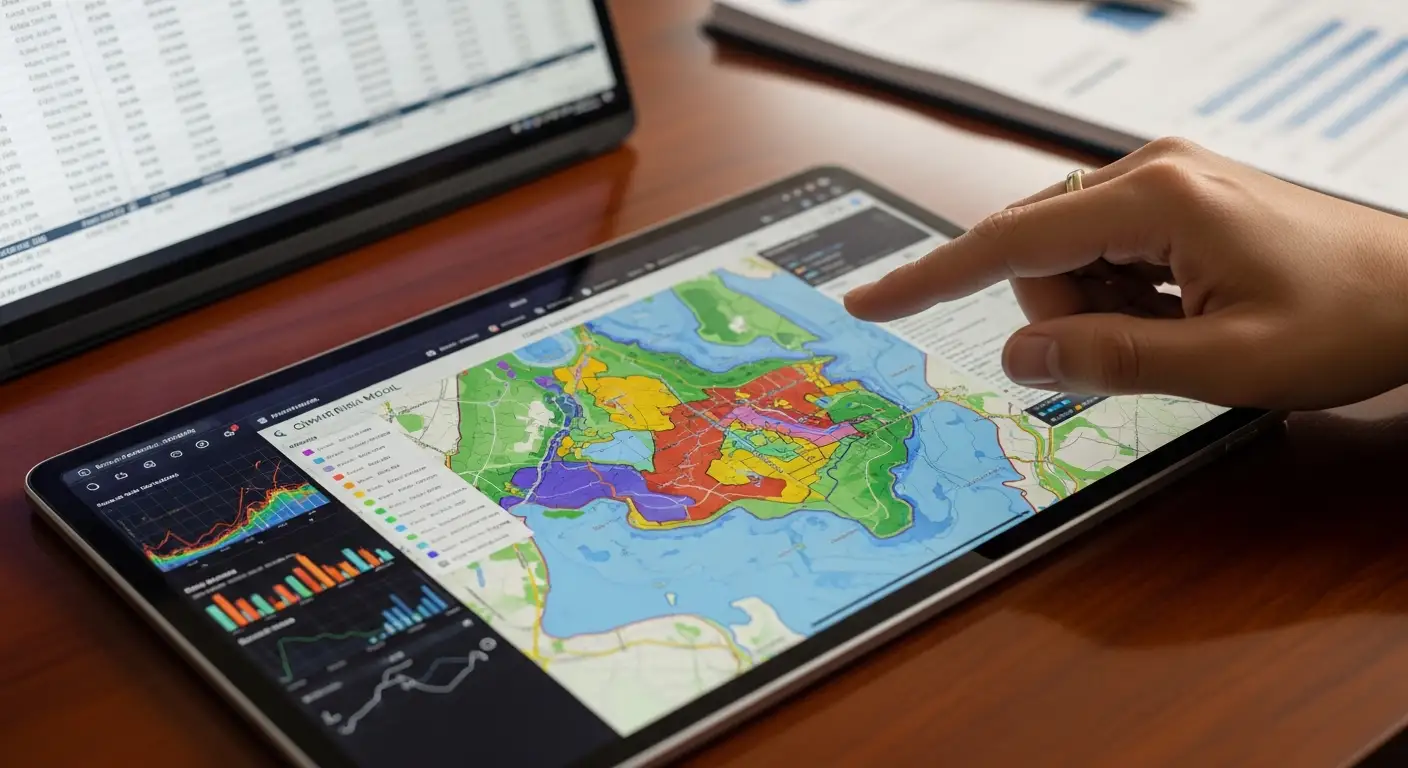
Climate risk modeling also contributes to recognizing temporal shifts in risk exposure. As changes in weather patterns manifest gradually, insurers are encouraged to forecast the long-term impact on policies that span multiple years. This foresight aids in establishing sustainable pricing strategies that accommodate ongoing changes, rather than reacting retroactively to catastrophic events after they occur. By embedding future climate projections within pricing models, insurers aim to forward plan and maintain financial stability amidst uncertainties.
Furthermore, the application of climate risk models is driving innovation within the insurance market itself. Insurers are seeking novel data sources and analytical technologies to enhance the precision of modeling efforts. The integration of satellite imagery, artificial intelligence, and machine learning into climate risk models is facilitating a more granular appraisal of factors influencing property vulnerability. These advancements not only refine the accuracy of predictions but also support the continuous improvement of modeling processes.
However, climate risk modeling also presents insurers with several challenges. Uncertainty in future climate conditions and the complexity of environmental systems can make developing reliable models arduous. Insurers must balance scientific rigor with practicality, ensuring their models remain both adaptable to new findings and accessible for implementation in pricing systems. Additionally, the cross-disciplinary nature of climate risk modeling necessitates sustained collaboration with academic institutions, government agencies, and experts in environmental science.
As insurers contend with navigating this complex landscape, regulatory frameworks are evolving to ensure that climate risks receive adequate consideration in insurance pricing and underwriting. Regulators worldwide are increasingly mandating that insurers factor climate risks into their operations and disclose the impacts. This regulatory environment underscores the imperative for insurers to hone their capabilities in climate risk modeling to align with compliance requirements and demonstrate financial resilience.
Despite these challenges, the potential benefits of climate risk modeling for the insurance industry are considerable. With more accurate pricing, insurers can enhance risk management, reduce the chance of insolvency, and provide policyholders with greater transparency regarding how premiums are determined. By promoting an informed understanding of climate-related risks, insurers foster awareness and collaboration toward risk mitigation efforts that can benefit both the industry and society at large.
In conclusion, climate risk modeling represents a paradigm shift in how insurers approach the pricing of homeowners policies. By incorporating advanced modeling techniques and data analytics, insurers are better equipped to anticipate and evaluate the impact of changing climate conditions. While challenges persist, ongoing innovations and more comprehensive risk assessments hold promise for advancing the insurance industry's adaptability and resilience in the face of an uncertain climate future. As climate risk modeling continues to evolve, its role in shaping insurance strategies and policies is likely to become increasingly significant, guiding the industry towards a more sustainable and responsible approach to risk management.