Traveling can be one of life’s most rewarding experiences, offering the chance to explore new cultures, savor exotic cuisines, and create unforgettable memories. Yet, as thrilling as the prospect of travel is, it's crucial to be prepared for unexpected disruptions, particularly those caused by weather-related events. Weather can change suddenly and without warning, impacting both your travel plans and your overall experience. To navigate these challenges effectively, it is important to understand how weather-related trip disruptions are evaluated in the context of travel insurance and to know what steps you should take to protect your travel plans.
Modern travel policies are structured to address the complexities of weather-related disruptions. The first aspect to consider is how localized weather events are assessed by insurance providers. When bad weather affects an area, insurance companies typically rely on official reports from meteorological services or government agencies. These reports help determine whether the weather event qualifies as severe enough to trigger coverage under travel insurance policies. For example, a hurricane warning issued by a government authority is more likely to be considered a qualifying event compared to a typical rainstorm. Travelers should ensure that their insurance covers severe weather conditions that could impact their specific destination.
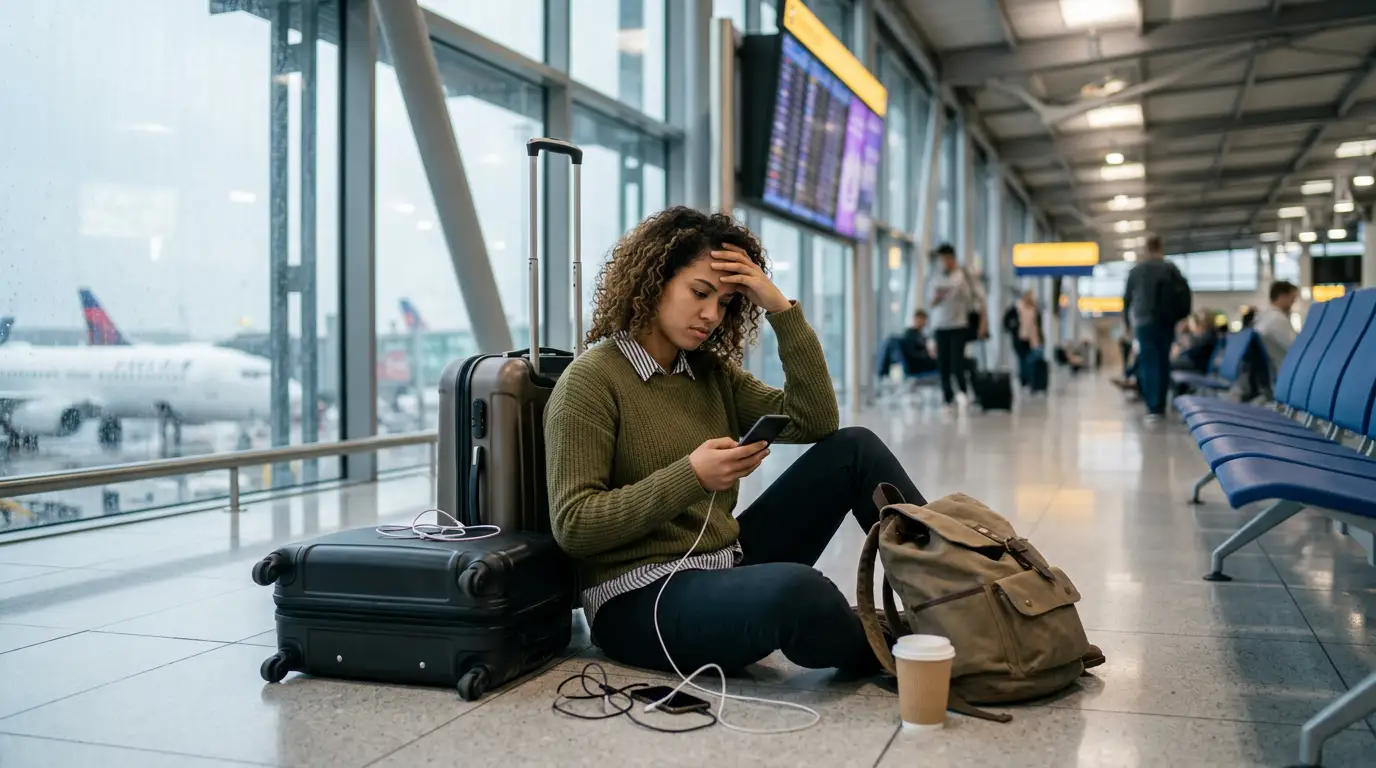
Flight cancellations are one of the most common issues travelers face during adverse weather conditions. Airlines generally have policies for rebooking and compensation, and most will try to reroute you as soon as possible. However, insurance policies play a crucial role when determining coverage for any additional costs incurred. It is important to check if your travel insurance covers expenses related to extended stays, alternative transportation, or lost activities due to flight cancellations. Some policies may only cover a portion of the costs, while others may have restrictions, such as requiring that cancellations last for a certain amount of time before triggering benefits.
To effectively verify your rebooking coverage, you should start by reading the terms and conditions of your insurance policy thoroughly. Pay special attention to the sections addressing weather-related claims, trip delay benefits, and reimbursement limits. Understanding the scope of your coverage helps you make informed decisions during travel disruptions. Look for terms like “inclement weather,” “trip interruption,” and “trip delay” to comprehend how your insurer defines and handles weather disruptions.
Contacting your insurance provider promptly during a weather disruption can also help. Before reaching out, ensure you have all necessary documentation and information ready, such as your policy number, details of the disruption, and any correspondence with your airline or travel provider. The quicker you initiate contact, the sooner you can start the claims process or receive guidance on the coverage applicable to your situation.
Some travelers may also consider purchasing add-on coverage for extra protection in environments prone to extreme weather. These policies may offer enhanced benefits specifically designed to handle unexpected events more effectively. Add-ons may come in various forms, such as increased compensation limits or faster claim processing for weather-related issues. Discuss with your insurance agent or provider to understand what additional options are available to supplement your existing policy.
Beyond understanding travel insurance, there are proactive steps travelers can take to minimize the impact of weather-related disruptions. Researching the climate and weather patterns of your destination is a fundamental step. Knowing if you are traveling during hurricane season or a period known for heavy snowfall enables you to plan accordingly. By being informed, you can make adjustments such as booking flights with a buffer day or choosing accommodations that offer flexible cancellation policies.
Staying informed while traveling is just as critical. Modern technology offers numerous tools, such as weather alert apps and real-time updates from airlines, to keep travelers up to date with the latest developments. Many airlines offer notifications via mobile apps, providing alerts on flight status, gate changes, or cancellations. By taking advantage of these tools, you can adjust your plans quickly in response to changing conditions.
Moreover, keeping all receipts and documenting all related communications can be invaluable should you need to file a claim. This documentation serves as evidence of expenses incurred and actions taken, which can help smooth out the claims process with your insurer later. Retaining records of hotel bookings, transportation expenses, and any communication with service providers can make a significant difference when substantiating your claims.
In conclusion, weather-related trip disruptions are an inevitable part of the travel experience, but they do not have to ruin your journey. By understanding how travel policies evaluate localized weather events and flight cancellations, and by taking proactive steps to verify your insurance coverage, you can ensure a smoother and less stressful experience. Preparing in advance, staying informed, and knowing your policy's details can transform a potential disruption into a manageable inconvenience. Traveling is about the experience, and with the right knowledge and preparation, you can continue exploring the world without letting the weather deter you.