Edge computing is a technology aimed at improving the efficiency of data processing by bringing computing capabilities closer to the data source. This approach is fundamentally different from the traditional cloud computing model, where data is sent to centralized data centers for processing and analysis. By enabling data processing at the "edge" of the network, edge computing reduces the amount of data that needs to be transmitted to these centralized locations, potentially speeding up response times and decreasing the bandwidth required.
One of the primary drivers of edge computing is the exponential growth of data generated by devices in the Internet of Things (IoT). These devices, such as smart home appliances, industrial sensors, and autonomous vehicles, produce vast amounts of data that require real-time processing. For example, in the case of autonomous vehicles, decisions must be made instantaneously to ensure safety. Delays caused by transmitting data to a remote server for processing could lead to undesirable outcomes. Edge computing addresses this challenge by allowing data processing and analytics to occur locally, at the edge of the network where the data is generated.
Another significant advantage of edge computing is its ability to enhance privacy and security. With data processing occurring closer to the source, sensitive information can be retained locally rather than being transmitted across potentially insecure networks to centralized data centers. This approach reduces the risk of data breaches or interception, providing a more secure environment for handling confidential or personal information. Additionally, edge computing can improve compliance with regional data protection regulations that require data to be stored and processed within specific geographic boundaries.
Furthermore, edge computing offers enhanced robustness and reliability in situations where network connectivity may be limited or unreliable. By reducing reliance on constant connectivity to centralized servers, edge computing systems can continue to function independently, even in remote or challenging environments. This feature is especially valuable in industrial settings, such as oil rigs or remote mining operations, where stable network connections may not always be available. Local data processing ensures continuous operation and decision-making capabilities despite network outages or disruptions.
In the realm of application development, edge computing serves as a catalyst for creating new types of services and user experiences. Consider the example of augmented reality (AR) applications that require low-latency processing to deliver seamless interactive experiences. By processing data locally, edge computing reduces latency and enables more realistic and immersive AR applications. Similarly, video streaming services can benefit from edge computing by efficiently managing bandwidth and reducing buffering times, resulting in improved viewing experiences for end-users.
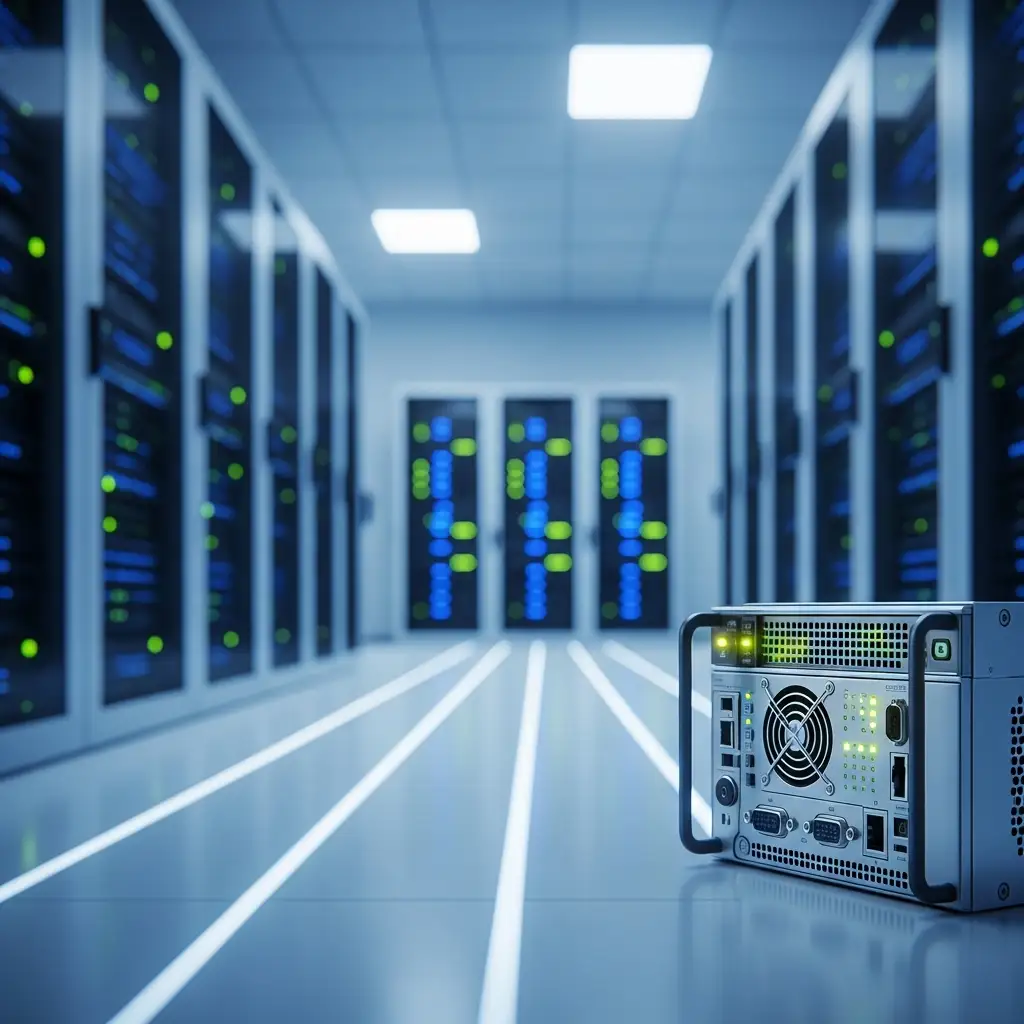
While edge computing offers numerous benefits, it also introduces new complexities in terms of infrastructure management and deployment. Implementing edge computing solutions requires organizations to invest in edge devices and infrastructure, such as edge servers, gateways, and sensors. Moreover, managing a distributed network of edge devices requires sophisticated orchestration tools to ensure seamless integration with existing IT systems and workflows.
Developers and IT professionals involved in edge computing projects must also contend with the need for new skill sets and expertise. The deployment and management of edge computing systems require knowledge of various technologies, including networking, security, and data management. As a result, organizations may need to invest in training and development programs to build and maintain the required expertise within their teams.
Despite these challenges, the potential of edge computing to transform industries is significant. In the healthcare sector, for instance, edge computing can enable telemedicine applications that provide real-time diagnostics and monitoring for patients in remote areas. Wearable health devices can process data locally, delivering timely health insights and enabling personalized treatment plans. Similarly, in the manufacturing industry, edge computing can be used to optimize production lines and improve quality control by analyzing data from sensors and equipment in real-time.
Edge computing is not a replacement for traditional cloud computing; rather, it complements it by providing a more distributed and flexible approach to data processing. Organizations can leverage the strengths of both edge and cloud computing by using a hybrid model that balances local data processing with centralized analysis and storage. This approach allows businesses to optimize resource usage, enhance scalability, and tailor their IT infrastructure to meet specific needs and demands.
As technology continues to evolve, we can expect edge computing to play an increasingly vital role in driving innovation across various sectors. 5G networks, for example, are set to unlock new possibilities for edge computing by providing the high-speed, low-latency connectivity essential for data-intensive applications. With the rollout of 5G, edge computing can further revolutionize how we interact with technology, enabling smarter cities, intelligent transportation systems, and enhanced consumer experiences.
In summary, edge computing represents a paradigm shift in the way data is processed and analyzed. By bringing computing power closer to the data source, edge computing reduces latency, enhances security, and provides a more resilient and efficient approach to handling the growing volume of data generated by connected devices. While challenges remain in terms of deployment and management, the potential benefits make edge computing an exciting and transformative technology for the future. As industries continue to explore and harness the capabilities of edge computing, we can expect significant advancements in areas such as IoT, AR, healthcare, and beyond.