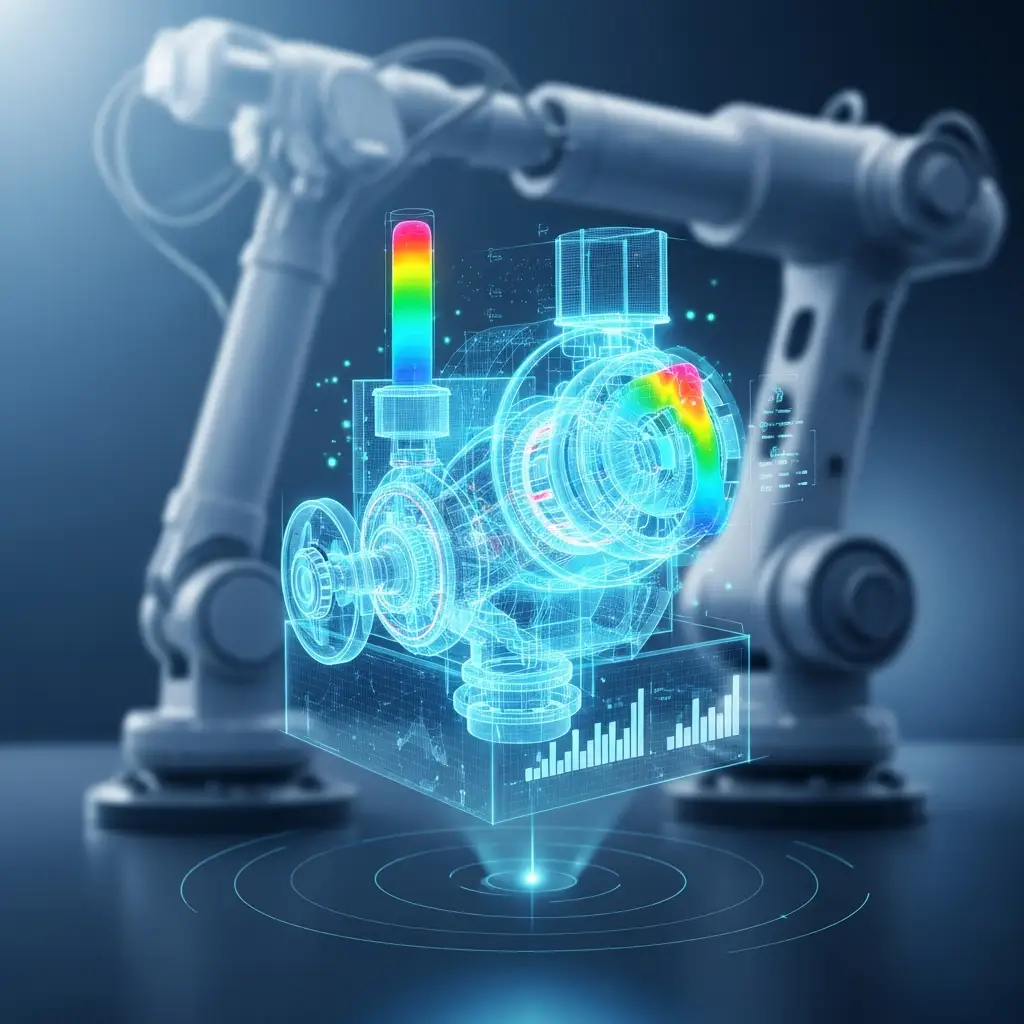
As technology continues to evolve, innovative concepts like digital twins have emerged to streamline processes, optimize performance, and enhance decision-making across different sectors. But what exactly is a digital twin? At its core, a digital twin is a virtual replica of a physical object, system, or process. This digital simulation enables real-time tracking, data analysis, and predictive maintenance, transforming how industries approach complex challenges.
The concept of digital twins traces back to the early 2000s when it was introduced as a tool for NASA's space exploration missions. As technology advanced, the concept matured and found applications in various fields beyond aerospace. The global digital twin market has since grown significantly, driven by the increasing adoption of IoT, cloud computing, and advanced data analytics.
Today, digital twins are extensively used in manufacturing to improve efficiency and reduce operational costs. By creating a digital copy of the physical production line, manufacturers can monitor and optimize processes in real-time, identifying potential issues before they escalate. For instance, digital twins enable manufacturers to simulate changes in production parameters and assess their impact without interrupting actual operations. This proactive approach not only minimizes downtime but also enhances product quality and reduces waste.
The automotive industry is another sector benefiting from digital twin technology. Automotive companies create virtual models of vehicles to study the impact of design changes on performance, safety, and fuel efficiency. These digital replicas help engineers validate new models and components before building physical prototypes. By employing digital twins, companies can accelerate the design process, improve vehicle reliability, and deliver innovative features to the market more swiftly.
In the realm of urban development and smart cities, digital twins play a vital role in urban planning and infrastructure management. Cities are leveraging digital twins to simulate urban environments, providing planners and architects with insights into traffic patterns, energy consumption, and environmental impact. This comprehensive view allows for informed decisions, facilitating sustainable development and resource optimization. Moreover, digital twins are being used to simulate disaster scenarios, empowering city authorities to enhance emergency response strategies.
Healthcare is another industry witnessing transformative changes through the use of digital twins. By creating patient-specific digital replicas, medical professionals can simulate treatment plans and predict patient outcomes. These virtual models allow for precision medicine, tailoring medical interventions to individual patients based on their unique physiological data. Furthermore, digital twins assist in the development of medical devices by offering a platform for rigorous testing and validation, ensuring both efficacy and safety.
Similarly, the energy and utility sector is leveraging digital twins to optimize operations and facilitate the transition to renewable energy sources. Utilities use digital replicas to monitor and manage energy distribution systems, enhancing grid reliability and reducing outages. These digital models enable predictive maintenance of infrastructure, ensuring that equipment operates efficiently. In renewable energy, digital twins help in the simulation of wind and solar farms, analyzing performance and identifying factors affecting energy output.
The aviation industry also greatly benefits from digital twins. Airlines and aircraft manufacturers deploy digital twins to monitor fleet performance and maintenance requirements in real-time. Digital models of aircraft components allow companies to predict failures and schedule timely maintenance, improving safety and minimizing operational disruptions. Additionally, airlines use digital twins to simulate flight routes and optimize fuel consumption, contributing to cost savings and environmental sustainability.
In conclusion, digital twins represent a paradigm shift in how industries approach challenges and opportunities. Their ability to create virtual replicas of physical entities opens up possibilities for improving operational efficiencies, product design, and customer experiences. As digital twin technology continues to evolve, its applications are expected to expand, driving innovation and paving the way for a more interconnected and intelligent world.
As industries continue to adopt and refine digital twin technologies, interdisciplinary collaboration will likely fuel further advancements. Stakeholders from various fields will need to come together to address challenges related to data security, interoperability, and scalability. Additionally, fostering a culture of innovation and continuous improvement will be critical in harnessing the full potential of digital twins.
Moreover, education and training programs will play a crucial role in preparing the future workforce for the digital twin revolution. As the technology becomes more widespread, the demand for skilled professionals who can create, manage, and analyze digital twins is expected to grow. By investing in education and upskilling, organizations can ensure they have the expertise needed to thrive in a digital twin-driven landscape.
Looking to the future, the integration of digital twins with emerging technologies like AI and machine learning offers exciting possibilities. AI-driven analytics can enhance the predictive capabilities of digital twins, providing even deeper insights into complex systems. This synergy could lead to more intelligent and autonomous systems, further revolutionizing industries and shaping the innovations of tomorrow.
In essence, digital twins stand at the forefront of digital transformation. As industries continue to embrace this powerful tool, they will unlock new levels of productivity, sustainability, and innovation. With ongoing advancements and widespread adoption, digital twins are poised to become indispensable assets across a multitude of sectors, transforming the way we live, work, and interact with the world around us.