If you've traveled recently, you might have noticed a growing trend in airports and train stations: biometric check-ins and contactless transit systems. These systems promise to streamline the travel process, making it more efficient and secure. However, many travelers are wondering: how do these systems work, and are they really safe?
At their core, biometric check-ins rely on unique biological traits to verify an individual's identity. This can include anything from facial recognition and fingerprint scanning to iris recognition and voiceprints. The idea is simple: by using characteristics that are inherently unique to each person, biometric systems aim to provide a higher level of security and reduce the risk of identity fraud. At airports and rail platforms, this technology is most commonly manifested in the form of facial recognition gates, which can swiftly verify a traveler's identity against a secure database.
Facial recognition, in particular, has gained popularity in the travel sector because of its non-intrusive nature. Unlike fingerprint scanners, which require physical contact, or iris recognition, which can be quite expensive, facial recognition works seamlessly as travelers simply walk through a designated area. Cameras capture live images of travelers' faces, and software algorithms match these images with the digital identities stored in a database. Within moments, the gate opens, and the traveler is on their way.
One of the driving forces behind the adoption of these systems is the digital wallet identity. Picture this: you have all your travel documents, identifications, and possibly even health records securely stored in a digital wallet on your smartphone. This eliminates the need for physical documents and reduces the time spent fumbling with paperwork at check-in counters. When linked with biometric systems, this digital identity ensures that your personal information is verified quickly and efficiently.
Naturally, privacy concerns are prevalent among travelers, and institutions are taking careful measures to protect user information. As biometric data is sensitive, its collection and storage are governed by stringent privacy regulations globally. Most systems are designed to encrypt biometric data, ensuring that it is accessible only by authorized personnel and is not stored for longer than necessary. In many cases, once the traveler's identity is verified, the data is instantly deleted to prevent misuse.
Moreover, these systems employ an opt-in approach, giving travelers the choice to use biometric check-ins or stick to traditional methods. By offering flexibility, travelers are not forced into a system they are uncomfortable with while still providing those interested in faster processing with innovative solutions.
For example, modern airports are integrating biometric systems not just at entry points but throughout the traveling experience. From check-in and security to boarding and customs, a traveler can proceed through these stages with minimal physical contact and paperwork, leading to a smoother journey. By cutting check-in times in half, airports can manage passenger flow more effectively, reducing waiting lines and congestion.
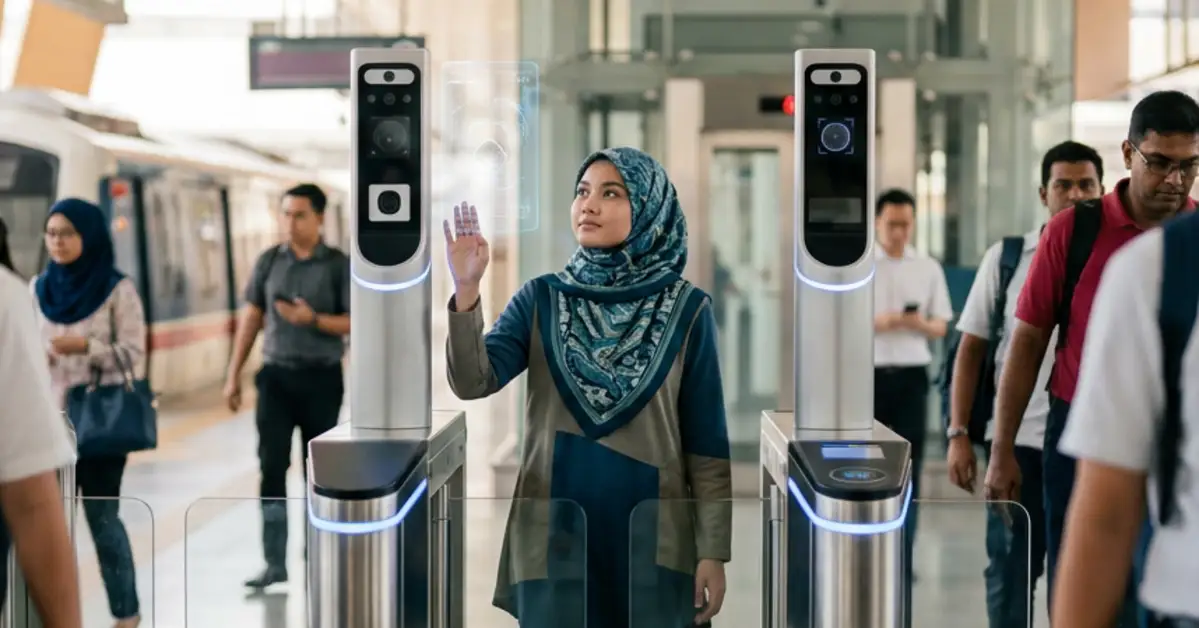
International rail platforms are following suit, utilizing these systems to ensure that commuters can embark on their journey smoothly. With facial recognition gates at platforms, passengers simply need to show up with their digital ticket on their smartphone, and they are recognized and allowed through the gate without a hitch. This not only improves efficiency but also allows staff to focus on ensuring passenger safety and addressing challenges as they arise.
In addition to the improved traveler experience, these systems offer a significant boost to security measures. Traditional document checks can be bypassed or faked, but biometric data is far more secure. It reduces the chances of identity theft and ensures that only the rightful traveler can use a given ticket or travel document. Enhanced security is a major selling point, particularly in an era where security threats are a constant concern.
As we look to the future of travel, it's clear that biometric check-ins and contactless transit will play a prominent role. As these technologies advance, their speed and accuracy will only continue to improve, offering more convenience to travelers worldwide. Additionally, as they become more widespread, costs will likely decrease, making them even more accessible and appealing.
Preparing for a trip in this digital age means becoming familiar with these new technologies and understanding how they enhance your travel experience. While embracing such novelty might seem daunting, it ultimately supports a more seamless, efficient, and secure journey. So whether you're jetting off to a distant destination or catching a train for a daily commute, understanding these systems can offer peace of mind and ensure a pleasant travel experience.
Travelers should look out for signage indicating biometric check-in availability the next time they are in an airport or train station. By staying informed and prepared, you can make the most of these innovative services. Those interested in trying them out can approach information desks at these facilities to inquire about participation or opt-in processes. Airports and train stations often provide tutorials or assistance for first-time users, ensuring a smooth transition.
In conclusion, the frictionless journey made possible by biometric check-ins and contactless transit is transforming how we travel. By marrying speed with security and convenience with control, these systems cater to the needs of modern-day travelers. With robust privacy measures in place and options for traditional identification processes still available, you can travel with confidence, knowing that your identity is both protected and recognized, all while enjoying the travel process that's faster, safer, and more connected than ever before.