As we approach the middle of 2026, a noticeable shift is unfolding in the realm of consumer technology. A growing number of tech enthusiasts and everyday users are pulling back from the ubiquitous cloud-based application subscriptions that have dominated the past few years. Instead, they are opting to host their own private, offline-first personal data hubs. This movement, known as the "Offline-First Shift," is driven by several compelling factors, including the desire for increased security, minimized data bottlenecks, and enhanced personal privacy.
Cloud computing has certainly transformed the way we store, access, and interact with our digital content. Data centers scattered across the globe have maintained and processed massive volumes of files for millions of users, providing seamless integration and access across a variety of devices. However, at the heart of this picture-perfect setup lies potential challenges: bandwidth bottlenecks, data security risks, and ongoing subscription costs.
First, let's delve into the issue of bandwidth bottlenecks. Although cloud services promise high availability, accessing data stored in remote centers inevitably introduces latency. This latency is compounded when services have frequent downtimes or when the user's internet access is unstable. As file sizes grow larger with high-resolution media and complex applications, the need for a reliable, low-latency solution becomes apparent. Hosting local servers to store data can significantly reduce these bottlenecks, maintaining speedy access to personal files without dependence on external factors.
Moreover, the inherent data security risks of cloud storage have not gone unnoticed by users. Storing one's digital life on a third-party server always involves a trade-off between convenience and control. Cloud service providers manage large networks that, while secure, are not impervious to breaches or policy changes that might compromise user privacy. By adopting an offline-first approach, individuals maintain complete oversight over their data, minimizing exposure to external threats. On-premises storage shifts the security burden back to users, who can then implement personalized protective measures.
The increasing demand for personal privacy continues to be another driving force behind this trend. As surveillance concerns grow and data protection regulations evolve, individuals are becoming more conscious of who has access to their information and how it is being used. An offline-first setup empowers users with autonomy over their data, as no third party can access their files without explicit consent. For those who prioritize control and confidentiality, this move away from cloud dependency is a logical step.
Advancements in technology have made it possible for even those without technical expertise to set up and manage compact home servers. Efficient, energy-friendly hardware options are available, capable of running various server applications that handle everything from document storage to streaming media. The software ecosystem also supports this transition, with numerous open-source and commercial solutions providing user-friendly interfaces and functionalities that mimic, and in some cases surpass, traditional cloud services.
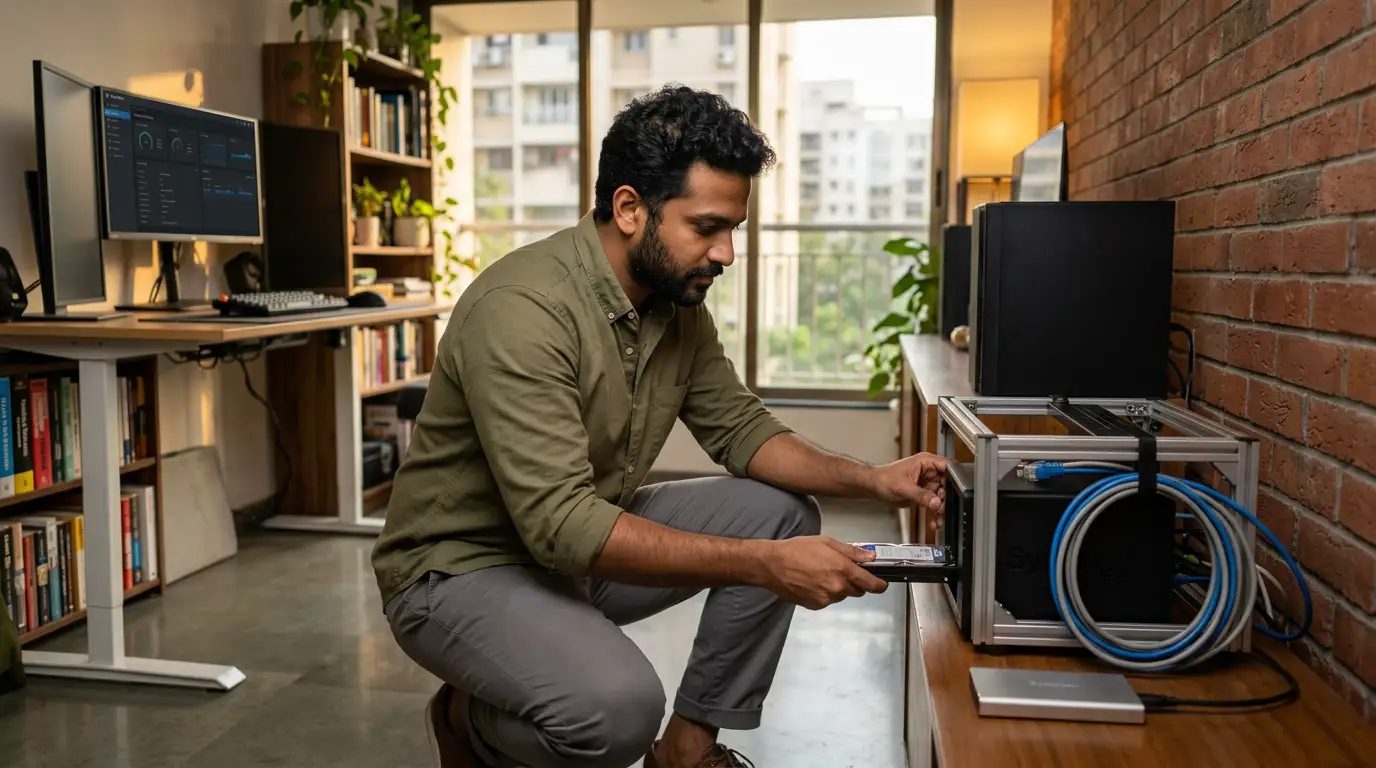
Furthermore, this trend aligns with broader movements towards digital self-reliance and sustainability. With ongoing concerns about energy consumption and environmental impact, reducing reliance on large data centers can contribute to more sustainable tech practices. Running local servers can be optimized for energy efficiency, ensuring that personal data management aligns with a green philosophy.
While the offline-first approach offers notable advantages, it is not without challenges. Users must take on the responsibility of maintaining hardware and ensuring data redundancies and backups. For many, the assurance of cloud redundancy and managed infrastructure is a significant comfort that they are reluctant to forego. However, the technology is becoming increasingly user-friendly, with plug-and-play solutions that simplify these processes for non-tech savvy individuals.
In parallel, community support for self-hosted solutions is growing rapidly, providing individuals with forums, guides, and tutorials to ease the transition from cloud to home-based servers. As this movement gains momentum, leveraging community-driven platforms will likely become standard practice, particularly as more users prioritize data sovereignty and privacy.
In conclusion, the Offline-First Shift is a notable reflection of changing consumer priorities in the tech landscape. As people move away from constant cloud dependency to control and maintain their own data at home, they are not just reshaping how personal data is handled but are also bolstering the ethos of personal sovereignty over digital assets. This burgeoning trend represents a forward-looking path in which technology enthusiasts reclaim their digital autonomy, sustainable computing practices flourish, and personal data remains profoundly private and secure.
As we look to the future of tech in mid-2026 and beyond, it's clear that the reemergence of localized data control, fueled by increasing advancements in personal server technology, stands ready to redefine our relationship with digital content and privacy.