As technology continues to evolve, it's not surprising to see innovative products merging everyday accessories with state-of-the-art advancements. One such innovation is open-ear audio glasses, which have gained popularity as they offer a unique listening experience combined with stylish design. These glasses seamlessly integrate audio technology into eyewear, allowing users to enjoy music, podcasts, and even take calls without the need for traditional headphones. This guide will delve into what open-ear audio glasses are, how they function, and what sets them apart from conventional headphones.
Open-ear audio glasses are essentially standard eyewear that incorporates tiny, directional acoustic speakers into the frame. Unlike traditional headphones, which cover or go inside the ear, these glasses direct sound toward the ear without occluding it. This design allows users to enjoy their audio content while still being able to hear ambient sounds. For many, this feature is particularly appealing as it makes the audio glasses ideal for outdoor activities where awareness of the environment is crucial, such as jogging, cycling, or walking in urban areas.
One of the central attractions of open-ear audio glasses is their discreet design. The speakers are typically small and built into the temple arms of the glasses, making them virtually invisible to others. This ensures that the overall aesthetic of the eyewear is not compromised, enabling users to wear stylish glasses while enjoying their favorite audio content. The sleek integration is a significant selling point for consumers who prefer not to have bulky headphones disrupting their style or drawing attention in public spaces.
The sound quality provided by open-ear audio glasses is tailored for personal listening without completely isolating the user from their environment. The speakers utilize directional audio technology to channel sound directly to the ears, minimizing leakage and ensuring that only the wearer hears the audio clearly. While they may not deliver the same level of bass or noise-cancellation capabilities found in high-end headphones, they offer a balanced and natural listening experience that is sufficient for casual listening.
One of the primary reasons consumers are gravitating towards open-ear audio glasses is their ability to provide an open-ear experience. The open-ear design ensures that users remain aware of their surroundings, making these glasses a safer alternative in situations where auditory awareness is necessary. For instance, when commuting in a bustling city, cycling through busy streets, or taking a stroll in the park, being able to hear traffic, announcements, or other ambient sounds can be vital.
Moreover, open-ear audio glasses can be a great option for those who find traditional headphones or earbuds uncomfortable over long periods. Pressure on the ears or the discomfort caused by earbuds can be avoided entirely with audio glasses. This comfort factor appeals to many users, especially those who wear prescription glasses, as they do not need to switch between audio and non-audio eyewear throughout their day.
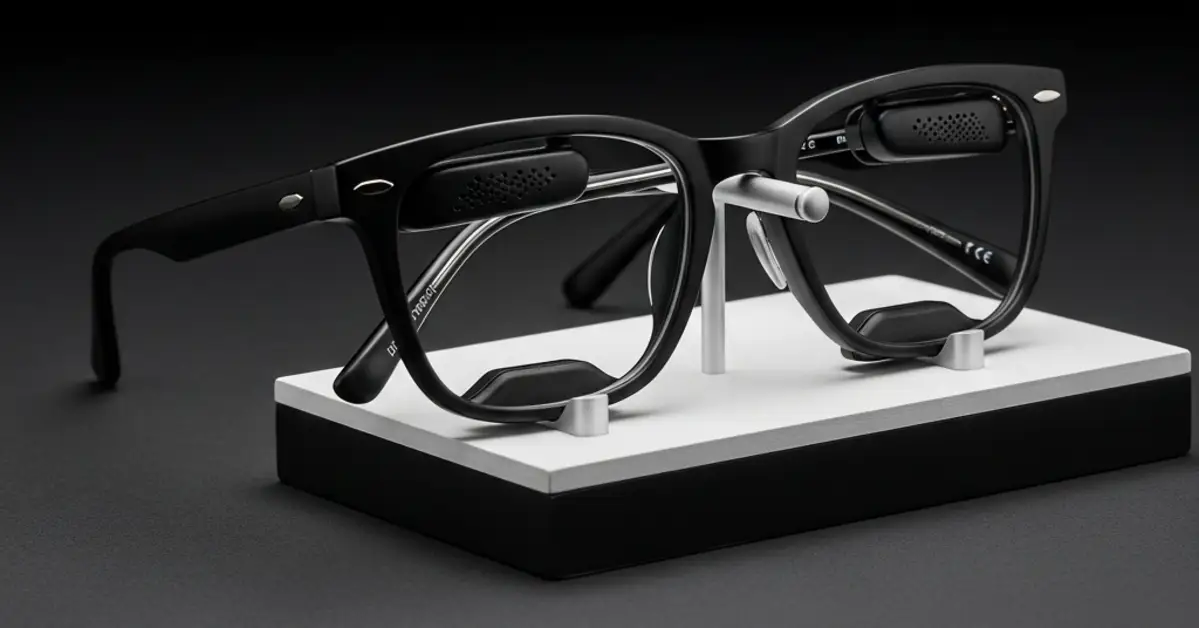
When comparing open-ear audio glasses to conventional headphones, the most apparent differences are in design and functionality. Traditional headphones generally offer superior sound quality, particularly over-ear and noise-cancelling models, which can deliver a more immersive audio experience. However, the trade-off is often reduced awareness of the surrounding environment and less discretion in appearance.
Besides, audio glasses often provide additional functionalities that integrate smoothly with modern lifestyles. Many models come with built-in microphones for voice assistance and hands-free calling. Some audio glasses even feature touch controls right on the frame, allowing users to pause, play, and skip tracks effortlessly or adjust the volume without needing to reach for their phone. Bluetooth connectivity ensures compatibility with a variety of smartphones and other devices, enhancing the usability of these glasses.
Another aspect worth mentioning is the battery life of open-ear audio glasses. Although they typically don't match the longevity of dedicated wireless headphones, they are generally sufficient for day-to-day use. Charging them is often as simple as plugging them into a standard USB port or connecting them to a charging case, similar to wireless earbuds.
As for available styles, open-ear audio glasses come in an array of designs, shapes, and sizes to cater to different fashion tastes. From sporty frames ideal for outdoor pursuits to more formal designs suitable for office settings, there is a wide range to choose from, enabling users to pick glasses that suit their personal style and lifestyle needs.
It's also worth considering some limitations of open-ear audio glasses. Due to the technology and design involved, these glasses might not provide the same audio quality found in premium headphones. The bass might be less pronounced, and they may not suit audiophiles seeking high-fidelity sound reproduction. Additionally, in very loud environments, the ability to hear the audio clearly can be compromised since these glasses do not block out background noise like noise-cancelling headphones do.
In conclusion, open-ear audio glasses represent a fascinating intersection of eyewear fashion and audio technology. By offering a blend of style, convenience, and the ability to remain aware of the surroundings, they fill a niche for individuals looking for an alternative to conventional headphones. While they may not replace high-quality headphones for all users, especially those prioritizing immersive sound, they offer a comfortable and stylish option for casual listeners who value safety and situational awareness in their day-to-day lives. As the technology continues to mature, we can expect to see even more advancements in this space, potentially expanding the appeal and functionality of audio eyewear in the future.